
7 Common Construction Equipment Problems and Fixes
Discover how to identify and fix heavy machinery issues quickly. Learn practical solutions for the most common construction equipment problems on your job site.
4/6/20266 min read
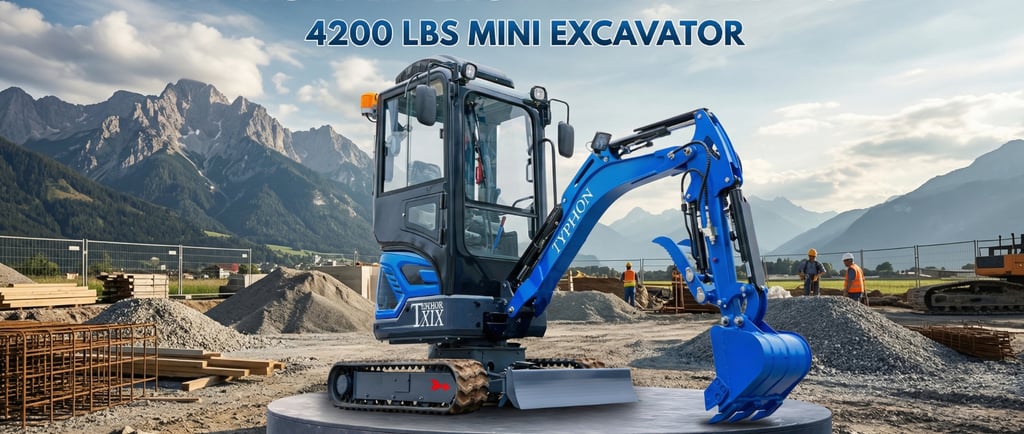

you can minimize downtime and keep your projects on schedule.
Empowering your crew with these practical troubleshooting strategies ensures they can handle minor breakdowns with confidence and professionalism. Proactive maintenance and quick action at the first sign of trouble will protect your equipment, reduce costly delays, and secure the long-term productivity of your job sites.
Every minute your heavy machinery sits idle on a job site costs your contracting business money. You rely on excavators, loaders, and dozers to perform massive physical tasks under incredibly harsh conditions. Naturally, this intense daily workload eventually leads to mechanical wear and tear. Knowing how to identify and resolve these issues quickly protects your profit margins and keeps your projects strictly on schedule.
We understand that unexpected downtime frustrates your crew and threatens your professional reputation. You need reliable, straightforward solutions to get your iron back into the dirt as fast as possible. This guide highlights the most frequent construction equipment problems operators face in the field. We will walk you through the symptoms of each issue and provide clear, actionable steps to fix them.
By mastering these quick diagnostic techniques, you empower your team to handle minor breakdowns with supreme confidence. For a broader strategy on preventing these issues entirely, we highly recommend reading our Construction Equipment Maintenance Guide for Maximum Performance. Let us explore how you can tackle these mechanical challenges head-on and secure maximum job site productivity.
1. Dealing with Weak Hydraulic Power
The hydraulic system serves as the physical muscle of your heavy machinery. When an excavator or skid steer suddenly struggles to lift a normal load, you are likely experiencing severe hydraulic system problems. The machine might feel exceptionally weak, or the bucket might fail to curl completely under pressure. This loss of strength completely stalls your material handling operations and creates massive project delays.
To fix heavy machinery issues related to weak hydraulics, you must first check the fluid level in the main reservoir. Operating a machine with low hydraulic fluid introduces air into the pump, which destroys lifting capacity. If the fluid level looks correct, you must inspect the main hydraulic filters. Clogged filters restrict fluid flow, forcing the pump to work harder while delivering significantly less power to the boom cylinders.
If replacing the filters and topping off the fluid does not restore your lifting power, you must check the hydraulic lines. Look closely for pinched hoses or damaged quick-couplers that might restrict the fluid path. Ensuring a clean, unobstructed flow of premium hydraulic oil will immediately restore the brute strength your machine needs to perform.
2. Managing Severe Engine Overheating
Heavy equipment operates in highly demanding environments, frequently pushing diesel engines to their absolute thermal limits. When the temperature gauge spikes into the red zone, you face a highly dangerous mechanical situation. Continuing to operate an overheating machine will rapidly warp the engine block and destroy the internal cylinder head gaskets. You must shut the machine down immediately to prevent catastrophic, irreversible engine damage.
Engine overheating typically occurs because thick job site dust clogs the exterior cooling fins of the radiator. You can fix this easily by using an air compressor to blow the accumulated dirt out of the cooling package. Always blow the compressed air from the inside of the engine compartment outward to force the debris away from the machine.
If the radiator fins remain perfectly clean, you must inspect the engine coolant level and the condition of the main fan belt. A loose or severely cracked fan belt cannot spin the cooling fan fast enough to pull air through the radiator. Replacing a worn belt and maintaining proper coolant levels ensures your engine runs efficiently, even during the hottest summer shifts.
3. Identifying and Stopping Oil Leaks
Finding fresh puddles of fluid underneath your parked machinery always signals a developing mechanical problem. Unexplained oil leaks create severe environmental hazards and indicate that vital internal components are losing their necessary lubrication. Ignoring a small drip inevitably leads to a massive, high-pressure blowout during a heavy digging cycle.
You must first identify the exact source and type of the leaking fluid. Engine oil looks dark brown or black, while hydraulic fluid typically appears clear or slightly red. Once you identify the fluid, trace the wet residue upward to find the compromised component. You will often discover a loose hydraulic fitting, a degraded rubber O-ring, or a severely chafed hose rubbing against the steel chassis.
You can resolve minor leaks by simply tightening the loose metal fittings with a proper wrench. However, if you find a cracked or deeply abraded rubber hose, you must replace the entire line immediately. Investing a small amount of money in a new hose prevents a massive fluid spill that would require highly expensive professional environmental cleanup.
4. Resolving Sluggish or Slow Performance
Sometimes a machine maintains its raw lifting power but suffers from incredibly slow operating speeds. The boom arms take twice as long to extend, and the travel motors struggle to move the machine across the dirt. This sluggish performance drastically increases your cycle times, forcing your crew to work longer hours to move the same amount of material.
Sluggish performance frequently stems from fuel starvation inside the diesel engine. The engine simply cannot generate enough RPMs to spin the main hydraulic pump at its required speed. You can fix this by replacing the primary and secondary fuel filters, which often become clogged with microscopic debris or contaminated diesel fuel.
Additionally, you should inspect the tension of your heavy rubber tracks. Tracks that are tightened far beyond the manufacturer's specifications create massive rolling resistance. The machine must burn excess horsepower just to force the tracks to rotate. Adjusting the track tension to the correct slack measurement immediately frees up that horsepower, restoring your machine's original speed and agility.
5. Troubleshooting Electrical System Failures
Modern construction equipment relies heavily on complex electrical systems to monitor engine health and control the hydraulic valves. When you turn the ignition key and hear absolutely nothing, you are facing a frustrating electrical failure. You might also notice that the digital dashboard goes blank or the exterior work lights refuse to turn on.
You must begin your diagnosis directly at the primary battery terminals. Heavy job site vibrations frequently cause the battery cables to vibrate loose over time. You should clean the lead terminals thoroughly with a wire brush to remove any green acidic corrosion, then tighten the clamps down securely.
If the battery connections remain tight and clean, you must locate the machine's primary fuse box. Look for blown fuses that correspond to the ignition circuit or the main computer controller. Replacing a blown two-dollar fuse often completely resolves what appears to be a massive, highly complicated electrical failure.
6. Diagnosing Abnormal Exhaust Smoke
A healthy modern diesel engine should produce very little visible exhaust smoke under normal operating conditions. When your machine suddenly starts billowing thick clouds of colored smoke, the engine is explicitly asking for professional help. Understanding the specific color of the smoke helps you pinpoint the exact internal problem quickly.
Black smoke indicates that the engine is burning entirely too much diesel fuel and not receiving enough oxygen. You can usually fix this by replacing a severely clogged engine air filter, allowing the combustion chamber to breathe properly again. White smoke typically means the engine is burning raw coolant, which points to a highly dangerous cracked head gasket that requires immediate shop repair.
Blue smoke warns you that the engine is actively burning its own internal lubricating oil. This usually happens when the internal piston rings become severely worn, allowing oil to slip into the combustion chamber. While you cannot fix worn piston rings on the job site, identifying the blue smoke early allows you to schedule a proper engine rebuild before the block seizes entirely.
7. Silencing Unusual Grinding Noises
Construction sites generate massive amounts of noise, but experienced operators know exactly what their machine should sound like. Hearing sudden metal-on-metal grinding or loud popping noises from the undercarriage or the boom arms always indicates severe mechanical distress. These terrible noises mean that heavy steel components are violently rubbing together without proper lubrication.
You must stop operating the machine the moment you hear grinding noises from the boom linkages. Grab your grease gun and pump fresh lithium grease directly into every single pivot pin and bushing on the digging arm. A severe lack of grease causes the steel pins to grind against the raw steel housing, which will permanently destroy the connection points.
If the grinding noise originates from the lower undercarriage, you likely have a seized bottom roller or a failing travel motor bearing. You must lift the machine off the ground using the boom arm and manually spin the heavy rollers to identify the frozen component. Replacing a seized undercarriage roller immediately prevents it from tearing through your highly expensive rubber tracks.
Securing Your Job Site Productivity
Encountering construction equipment problems remains an unavoidable reality of the heavy contracting industry. However, your response to these mechanical challenges dictates the ultimate success and profitability of your business. By learning how to diagnose weak hydraulics, engine overheating, and mysterious fluid leaks, you maintain total control over your project timelines.
We encourage you to share these practical diagnostic strategies with every operator on your crew. When your team understands how to fix heavy machinery issues safely and quickly, they operate with exceptional professional confidence. Taking immediate action at the first sign of mechanical trouble ensures your valuable equipment fleet continues to deliver reliable, highly profitable power to every single project.
Conclusion
Construction equipment problems are an inevitable part of the heavy contracting industry, but how you address them determines the success and profitability of your business. By understanding and diagnosing common issues like weak hydraulics, engine overheating, fluid leaks, and abnormal exhaust smoke,
NewExcavatorsfor Sale
High-quality, compact construction equipment and attachments, including mini
Support
TYPHON Machinery Offices
2522 S Malt Ave. Commerce, CA 90040 United States
Phone Support
Sales : +1 213-214-2203
Logistic : +1 626-389-2472
Sales : Sales@typhonmachinery.com
Logistic : Logistics@typhonmachinery.com
Tech Support : Support@typhonmachinery.com
newexcavatorsforsale © 2025. All rights reserved.