
Comparing Diesel and Electric Forklifts: Which is Right for Your Business?
2/28/20264 min read
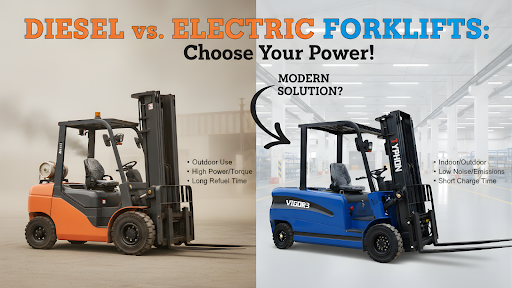
Choosing the right material handling equipment is a critical decision that impacts your daily operations, budget, and long-term efficiency. When you are looking for a forklift for sale, the two most common options you will encounter are diesel and electric models.Both have distinct advantages and drawbacks depending on your specific work environment and application.These two forklift types are the most popular topic of all operators difficult to choose.
Making the wrong choice can lead to increased operational costs, lower productivity, and safety concerns. This guide breaks down the key differences between a diesel forklift and an electric forklift to help you make an informed investment. We will compare fuel costs, performance in different environments, and maintenance requirements so you can select the machine that best fits your business needs.
Fuel Cost Comparison
One of the first factors buyers consider is the ongoing cost of fueling the machine. The upfront price of the equipment is important, but the daily running costs often have a larger impact on your total cost of ownership over five or ten years.
Understanding Electric Forklift Energy Costs
An electric forklift generally offers a lower cost per hour of operation compared to internal combustion engines. Nowadays, all electricity equipments are always cheaper than fossil fuels, and the prices are stable. While the initial purchase price of an electricity unit, including the battery and charge,r might be higher, the return on investment comes from significant fuel savings.
Charging a battery overnight during off-peak hours can further reduce these costs. Additionally, you eliminate the logistical costs associated with storing and handling fuel on-site. For businesses running single shifts, the energy savings are immediate. For multi-shift operations, spare batteries or fast-charging technology may be required, which should be factored into the initial budget.
Analyzing Diesel Forklift Fuel Expenses
A diesel forklift relies on diesel fuel, which is subject to market price fluctuations. Over the lifespan of the machine, fuel costs can be substantial, especially for heavy-duty applications where the engine runs continuously.
However, refueling a diesel tank takes minutes, whereas charging a battery takes hours. This rapid refueling capability means zero downtime for energy replenishment, which can be crucial for high-intensity, around-the-clock operations. Also, we can actually refuel a diesel anywhere. When calculating costs, you must also consider the price of fuel storage compliance and delivery. While the daily fuel bill is higher than electricity, the flexibility of instant refueling is a trade-off many heavy-industry businesses are willing to make.
Indoor vs Outdoor Performance
The environment where your forklift will operate is perhaps the most decisive factor in choosing between electric and diesel. Using the wrong equipment in the wrong setting can be dangerous and inefficient.
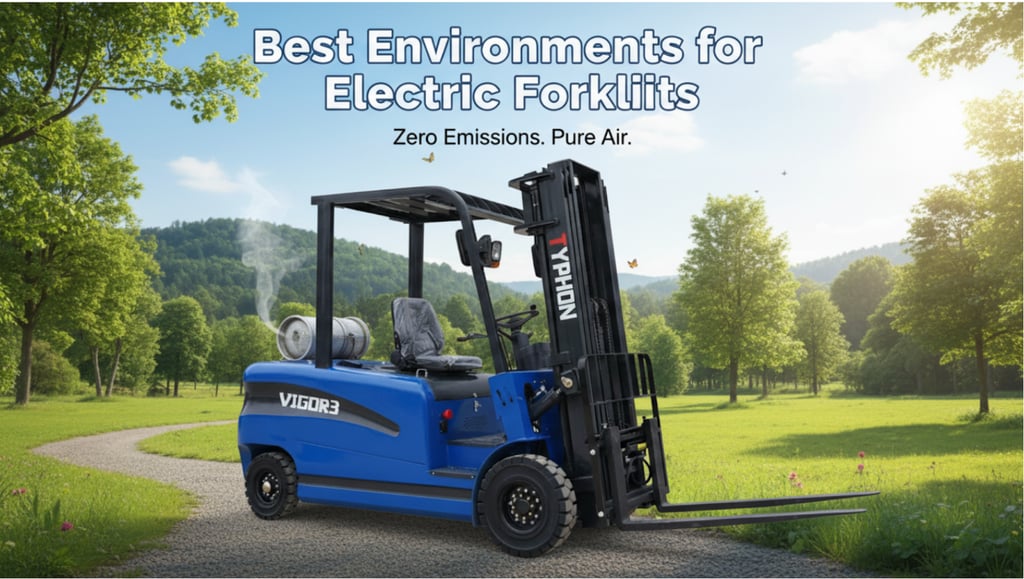
Best Environments for Electric Forklifts
If your operations are primarily indoors, such as in warehousing, logistics centers, or food processing plants, an electric forklift is the superior choice. These machines produce zero emissions, meaning you don't need to worry about ventilation or air quality standards. They are also significantly quieter, reducing noise pollution in enclosed spaces and improving communication and safety among workers. As we know, our earth now has a lot of bad air quality, so people usually prefer the electric forklift to the diesel forklift. The electric forklift has a great, silent sound while operating, such as travel, lifting, etc.
Electric models are generally more compact, offering a smaller turning radius. This maneuverability is essential for navigating narrow aisles and tight racking systems common in modern warehouses. While some newer electric models are built for outdoor use with IP65 weather protection, they are traditionally less suited for rough terrain or wet conditions compared to their diesel counterparts.
Where Diesel Forklifts Excel
A diesel forklift is the powerhouse of the outdoor world. These machines are designed to handle rough, uneven terrain, wet weather, and heavy loads with ease. You will typically find them in lumber yards, construction sites, shipping ports, and brickyards.
Diesel engines provide high torque at low RPMs, giving them the power needed for gradients and heavy lifting that might strain an electric motor. They are robust and durable, built to withstand the elements. However, due to exhaust fumes and noise levels, they are rarely suitable for indoor use unless the facility is exceptionally well-ventilated. Using a diesel truck indoors can pose serious health risks to employees and may violate safety regulations.
Maintenance & Battery Life
Maintenance is a critical factor when comparing diesel and electric options, as it directly affects operating costs, equipment lifespan, and downtime. The difference in engine design and power systems means each type requires a very different maintenance approach — and that can significantly impact your total cost of ownership over time.
Maintaining an Electric Fleet
An electric forklift has fewer moving parts than an internal combustion engine. There are no pistons, spark plugs, oil filters, or transmission fluids to change. This simplicity translates to lower maintenance costs and less frequent service intervals.
However, the battery requires specific care. Lead-acid batteries need regular watering and equalization charges to maintain their lifespan. Neglecting battery maintenance can lead to expensive replacements. Newer lithium-ion battery technology removes much of this maintenance burden but comes at a higher initial price point. The battery is the "fuel tank" of the electric truck; protecting it is protecting your investment.
Diesel Engine Maintenance Requirements
A diesel forklift requires more rigorous preventative maintenance. You must stay on top of oil changes, filter replacements, and cooling system checks to keep the engine running smoothly. The complexity of the engine and transmission means more components can wear out or fail over time.
Despite the higher maintenance demands, diesel engines are known for their longevity and reliability in tough conditions. A well-maintained diesel engine can run for thousands of hours before needing a major overhaul. The key is adherence to a strict service schedule to prevent minor issues from becoming major repairs.
Conclusion
Deciding between a diesel and an electric model depends on analyzing your specific operational requirements.
Choose an electric forklift if:
You operate primarily indoors.
Air quality and noise reduction are priorities.
You want to lower your long-term fuel and maintenance costs.
You have tight aisles and need high maneuverability.
Choose a diesel forklift if:
You work outdoors on uneven or rough terrain.
You need a machine for heavy-duty lifting in all weather conditions.
You have a multi-shift operation where long charging times are not feasible.
You require high torque and power for gradients.
When searching for a forklift for sale, assess your facility, your budget, and your workload. Both options offer reliable performance when matched with the right application. By understanding the trade-offs in fuel, performance, and maintenance, you can select the equipment that drives your business forward efficiently and safely.
NewExcavatorsfor Sale
High-quality, compact construction equipment and attachments, including mini
Support
TYPHON Machinery Offices
2522 S Malt Ave. Commerce, CA 90040 United States
Phone Support
Sales : +1 213-214-2203
Logistic : +1 626-389-2472
Sales : Sales@typhonmachinery.com
Logistic : Logistics@typhonmachinery.com
Tech Support : Support@typhonmachinery.com
newexcavatorsforsale © 2025. All rights reserved.