
How Proper Compaction Prevents Road Cracking
Discover how eliminating hidden voids and preventing settlement stops road compaction cracks, ensuring long-lasting and reliable highway infrastructure.
5/9/20266 min read
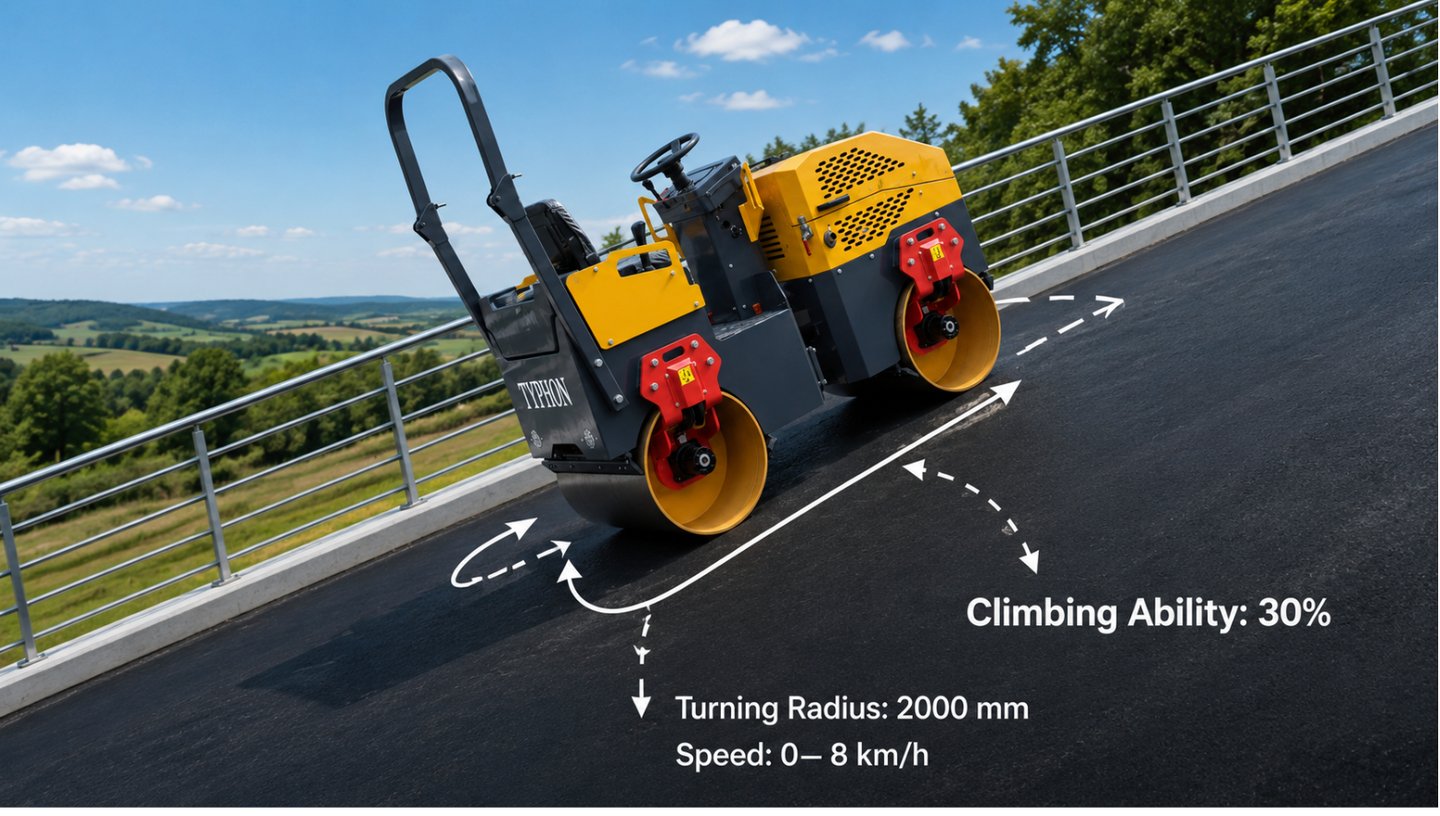
Building a durable highway requires far more than just pouring fresh asphalt and hoping it cures correctly. The true secret to lasting infrastructure lies hidden beneath the surface, heavily dependent on the sheer force of heavy road rollers. When construction crews rush the preparation phase, they leave behind unstable foundations that quickly deteriorate under the stress of daily commercial traffic. Our goal is to equip your contracting business with the expert knowledge needed to deliver flawless, enduring results for every client. This comprehensive guide explains exactly how meticulous rolling techniques reduce hidden voids, improve surface stability, and prevent uneven settlement. You will learn how supporting the base layers directly lowers your risk of facing devastating road compaction cracks, ensuring your projects stand the test of time.
The Science of Eliminating Hidden Voids
Soil and crushed stone naturally contain microscopic pockets of air and moisture when first laid down on a job site. If paving crews ignore these tiny gaps, the resulting foundation remains incredibly weak and highly susceptible to shifting under heavy loads. Road rollers apply immense downward pressure to forcefully squeeze these voids out of the aggregate material. Removing this empty space forces the individual particles to interlock tightly, creating an incredibly dense and reliable structural foundation.
When you fail to eliminate these microscopic air pockets, commercial trucks and weather changes will eventually do the compressing for you. As passing vehicles push the pavement down into those hidden voids, the rigid asphalt above simply snaps under the localized pressure. This mechanical failure is precisely what causes severe road compaction cracks to form shortly after a project reaches completion. By demanding absolute perfection during the rolling phase, you proactively remove the space where structural failures typically begin.
Contractors must approach this process with patience, realizing that achieving optimal density takes carefully planned equipment passes. Rushing a heavy roller across a thick lift of soil often smooths the surface while leaving the deeper voids completely untouched. Operators must calculate the correct travel speed and the proper lift thickness to ensure the machine's weight penetrates all the way to the bottom. Mastering this exact science protects your carefully managed project budget from the massive financial drain of unexpected warranty repairs.
Building Unshakable Surface Stability
Every successful paving operation depends entirely on the stability of the ground located directly beneath the asphalt. You cannot build a reliable highway over a shifting, unpredictable subgrade without risking catastrophic structural failure. Proper rolling techniques transform loose dirt and gravel into a rigid, unshakable platform capable of distributing massive commercial weight evenly. This foundational rigidity ensures that thousands of cars and heavy freight trucks can travel over the pavement without pushing the asphalt out of alignment.
Achieving this level of surface stability requires multiple passes with heavy equipment, carefully monitoring the density of the material after every single sweep. Operators must use precise overlapping patterns to guarantee that no section of the roadbed gets left untreated or under-compacted. This methodical approach creates a uniform layer of structural support that completely resists the lateral and vertical forces generated by speeding traffic. Your clients expect a perfectly smooth driving experience, and prioritizing foundational stability is the only way to deliver that promised quality.
When operators successfully maximize stability, the roadbed effectively acts as a solid bridge over the softer natural earth below. Heavy commercial loads are dispersed horizontally across a wide area rather than driving straight down into a single weak point. This vital load dispersion prevents deep ruts from forming in the wheel paths of busy interstate lanes. You establish an authoritative reputation in your market when your highways remain perfectly flat and structurally sound year after year.
Stopping Dangerous Pavement Settlement
Pavement settlement remains one of the most frustrating and expensive challenges faced by modern civil contractors. Differential settlement occurs when one specific section of the roadbed compresses more than the surrounding areas, creating massive dips and hazardous potholes. These uneven surfaces pull and stretch the rigid asphalt topcoat far beyond its engineered physical limits. When the tension becomes too great, the pavement fractures, leading directly to deep, unrepairable road compaction cracks that ruin your professional reputation.
Using the correct heavy machinery eliminates this risk by forcing the entire sub-base to settle completely before the paving crew ever arrives. Road rollers apply consistent, targeted force to ensure the ground achieves its maximum possible density uniformly. When the entire roadbed shares the exact same structural density, the topcoat remains perfectly flat and fully supported from below. You avoid the costly callbacks associated with filling newly formed potholes, keeping your project margins highly profitable and your clients deeply satisfied.
We understand that correcting settlement issues after the asphalt cures is an operational nightmare for any contracting firm. You must deploy expensive milling machines to grind away the damaged pavement, excavate the weak base, and completely rebuild the section from scratch. Proactively preventing this settlement during the initial grading phase requires a fraction of the time and financial investment. Educating your crew on the critical importance of uniform density saves your company thousands of dollars in avoidable material and labor costs.
Strengthening the Asphalt and Base Layers
A lasting highway functions as a complex, multi-layered system where each specific material depends heavily on the strength of the layer beneath it. The subgrade supports the crushed stone base, and that stone base directly supports the final layer of hot mix asphalt. If any single part of this system lacks proper density, the entire structure will inevitably collapse under the extreme pressure of continuous traffic. High-quality road rollers ensure that the crushed stone base tightly binds together, creating a formidable shield against downward compression.
Once the base reaches optimal density, the rollers must then perform the delicate task of compressing the hot asphalt itself. Heavy steel drums push the heated asphalt aggregate together, removing air while preserving the necessary flexibility of the binding oils. This precise finishing process creates a watertight seal that locks the different layers together into one solid, cohesive transportation artery. You deliver a final product that easily absorbs the relentless pounding of heavy logistics without showing any signs of premature fatigue.
Operators face a very brief window of opportunity to manipulate the asphalt before it cools and hardens permanently. They must coordinate seamlessly with the paving machines to roll the material while it remains at the absolute perfect internal temperature. If the operator waits too long, the machine will simply shatter the cold asphalt instead of molding it into a durable surface. Precision timing and highly skilled equipment operation guarantee that the final layer provides maximum resistance against heavy commercial wear.
Lowering the Risk of Premature Surface Failure
Environmental threats destroy poorly prepared roads just as quickly as heavy commercial traffic. When voids remain in the asphalt or the base layers, rain and melted snow easily seep into the microscopic gaps. During the harsh winter months, this trapped water freezes and expands, violently tearing the pavement apart from the inside out. Meticulous rolling practices eliminate these entry points, creating an impenetrable barrier that keeps destructive moisture safely on the surface of the highway.
Protecting your infrastructure from water infiltration completely stops the destructive freeze-thaw cycle from ruining your hard work. Municipalities and private developers heavily favor contractors who consistently deliver pavements that survive extreme seasonal weather changes. By investing your time and resources into proper density testing and rolling techniques, you secure a massive competitive advantage in your local market. Your finished roads require significantly less ongoing maintenance, proving to your clients that your company represents the gold standard in civil construction.
Furthermore, a densely packed surface fiercely resists the chemical damage caused by leaking automotive fluids and harsh road salts. Open, porous asphalt absorbs these corrosive chemicals quickly, breaking down the essential petroleum binders holding the rock together. A perfectly rolled surface creates a tight, impermeable shield that forces these hazardous liquids to wash away into the drainage systems. Building highly resilient infrastructure protects the massive financial investments made by your community and keeps daily commerce flowing smoothly.
Conclusion
Delivering long-lasting, highly reliable infrastructure requires a profound commitment to the rigorous science of material density. You cannot afford to let rushed preparation or poor equipment operation compromise the integrity of your hard-earned commercial contracts. By leveraging the immense power of road rollers to eliminate hidden voids, stabilize base layers, and prevent settlement, you guarantee your pavements will survive for decades.
We encourage you to evaluate your current rolling procedures and verify that your operators understand the severe consequences of under-compacted materials. Invest strategically in premium compaction equipment and continually train your workforce on the specific best practices of the roadbuilding industry. Taking these actionable, forward-thinking steps will protect your bottom line, eliminate premature structural failures, and solidify your professional reputation as a premier civil construction authority.
NewExcavatorsfor Sale
High-quality, compact construction equipment and attachments, including mini
Support
TYPHON Machinery Offices
2522 S Malt Ave. Commerce, CA 90040 United States
Phone Support
Sales : +1 213-214-2203
Logistic : +1 626-389-2472
Sales : Sales@typhonmachinery.com
Logistic : Logistics@typhonmachinery.com
Tech Support : Support@typhonmachinery.com
newexcavatorsforsale © 2025. All rights reserved.