
How to Build a Profitable Equipment Fleet with a Limited Budget
Learn how to build a profitable small fleet construction business with limited funds. Discover smart financing, used equipment tips, and ROI strategies.
4/28/20266 min read
Starting or expanding a contracting business requires heavy machinery, but acquiring that equipment often demands massive capital. Purchasing brand-new excavators, loaders, and haul trucks can easily drain your working capital before you even break ground on your first major project. We understand that managing cash flow is the most critical challenge contractors face when trying to scale their operations.
You do not need an unlimited budget to secure the machinery you need to get the job done right. By approaching your procurement strategy with discipline and sharp business acumen, you can assemble a highly capable lineup of machines. Building a cost-effective fleet requires prioritizing the right assets, understanding your financing options, and knowing when to leverage the used equipment market.
This guide provides a clear, actionable roadmap for contractors operating with limited capital. We will show you exactly how to identify your most essential machinery and how to maximize your return on investment. By following these proven strategies, you will build a robust small fleet construction business that delivers exceptional reliability and consistent profitability.
Prioritizing Essential Machinery for Maximum ROI
When building a fleet on a strict budget, you cannot afford to purchase machinery based on wants or potential future projects. You must focus entirely on the core assets that will generate immediate, consistent revenue. Every machine you buy must serve a direct, highly profitable purpose.
Identify High-Utilization Equipment
Your first step is evaluating your daily operational needs. Look closely at the specific types of jobs you win most frequently. Identify the machines that your crews use every single day to complete those core tasks.
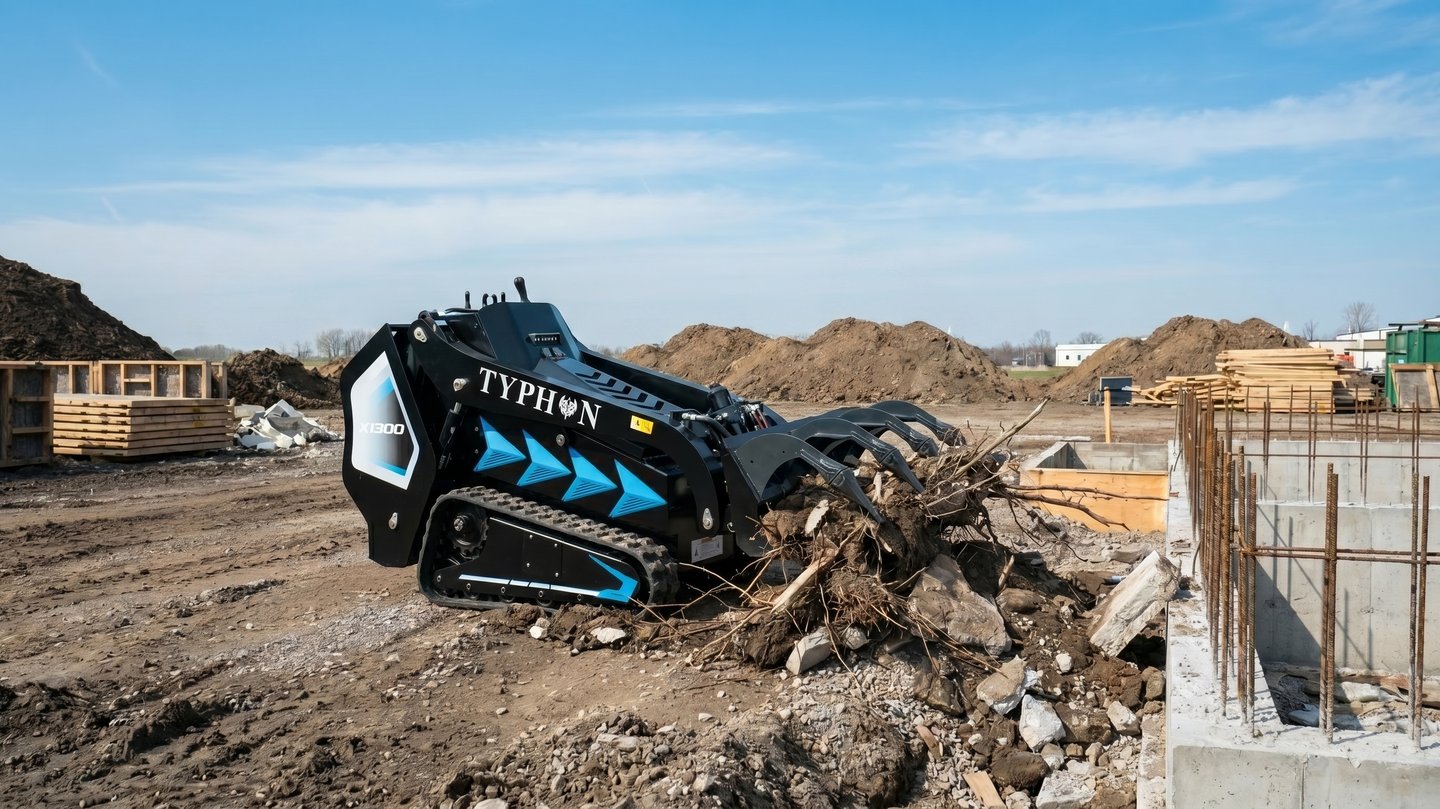
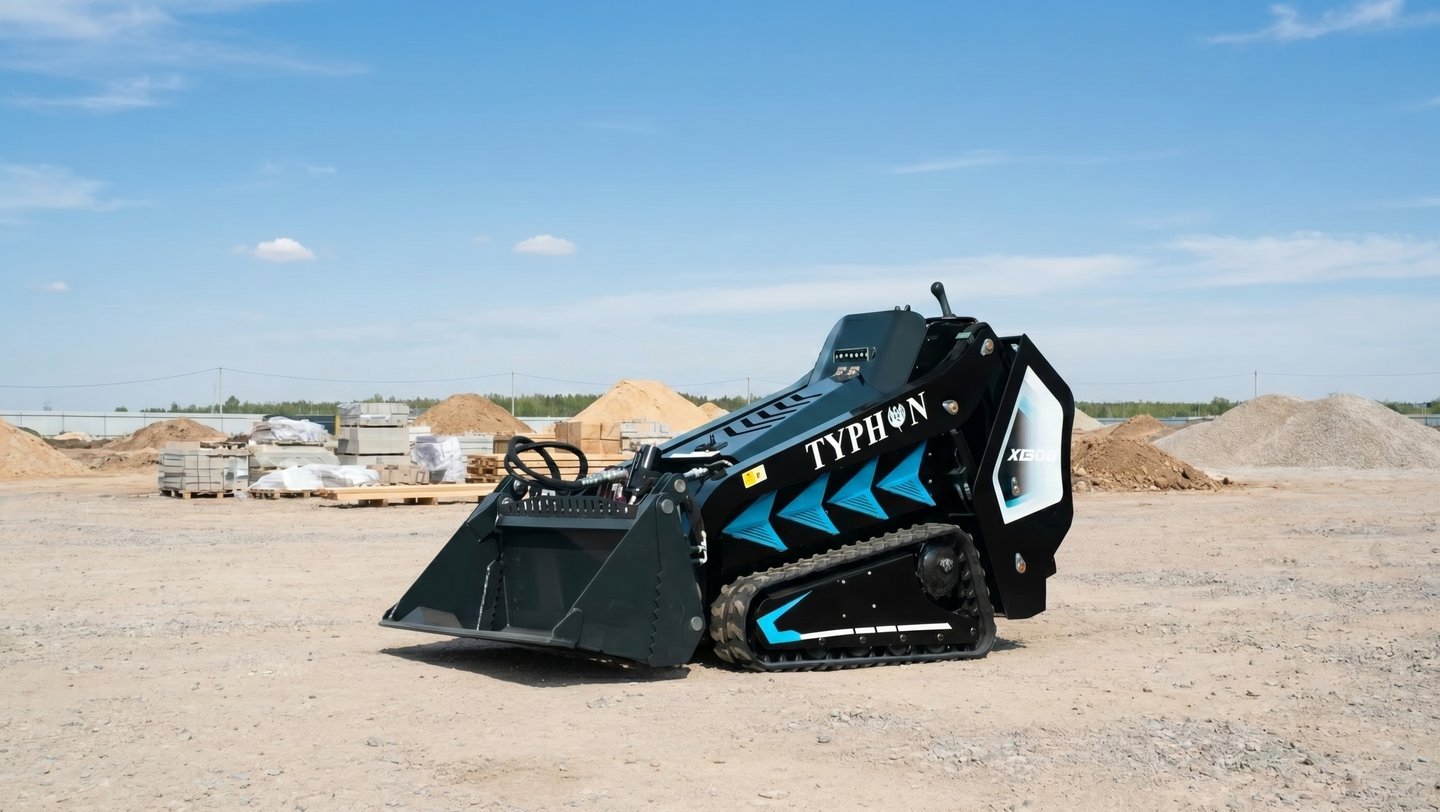
For many contractors, this means investing in highly versatile equipment like a skid steer loader or a mini excavator. These machines accept a wide variety of attachments, allowing a single piece of equipment to perform trenching, grading, and material handling. By purchasing highly versatile machines, you guarantee a high utilization rate, ensuring the equipment quickly pays for itself.
Rent Specialized Machines
Avoid the temptation to buy specialized machinery for one-off projects. If you secure a contract that requires a massive bulldozer or a specialized paving machine, do not tie up your limited capital in purchasing it.
Instead, partner with a reliable local equipment rental yard. Renting allows you to bid on specialized jobs without absorbing the massive purchase price, insurance, and maintenance costs of a machine you rarely use. This strategy protects your small fleet construction budget while keeping your company agile and competitive.
The Strategic Advantage of Used Equipment
Brand-new machinery carries a premium price tag and suffers from immediate, steep depreciation. Smart contractors protect their capital by turning to the used equipment market. Purchasing high-quality, pre-owned machinery is one of the most effective ways to build a profitable fleet.
Finding Reliable Pre-Owned Assets
The used equipment market offers incredible value if you know where to look. Dealerships frequently sell off machines from their rental fleets that feature strict, documented maintenance histories. These machines are broken in but highly reliable, offering you modern technology at a fraction of the original cost.
You can also find excellent deals through reputable equipment auctions and certified pre-owned programs. When you buy from a trusted dealership network, you often gain access to limited warranties and ongoing service support. This provides the peace of mind you need when investing your hard-earned capital.
Conducting Thorough Inspections
Never purchase a piece of used equipment without conducting a rigorous physical inspection. Bring your lead mechanic or hire an independent heavy equipment inspector to evaluate the machine. You must look beyond a fresh coat of paint and examine the core components.
Inspect the hydraulic cylinders for leaks and check the undercarriage for excessive wear. Pull fluid samples from the engine, transmission, and hydraulic systems to test for metal shavings or internal degradation. A thorough inspection prevents you from buying a cheap machine that requires immediate, budget-destroying repairs.
Smart Financing Options for a Small Fleet Construction Business
You do not need a mountain of cash sitting in the bank to secure the equipment you need. The heavy machinery industry offers a variety of flexible financing structures designed to help contractors preserve their working capital.
Equipment Financing Loans
Equipment loans use the machinery itself as the collateral for the loan. Because the loan is secured by a hard asset, lenders often provide favorable interest rates and flexible terms. This allows you to spread the cost of a major purchase over three to five years.
When you finance a machine, you retain your cash reserves for payroll, marketing, and project materials. As the machine generates revenue on the job site, you use a portion of those profits to cover the monthly loan payment. This strategy ensures the equipment literally pays for its own acquisition over time.
Leasing vs. Buying
Leasing represents another powerful tool for contractors with limited budgets. When you lease equipment, you pay for the use of the machine over a set period, typically resulting in lower monthly payments than a traditional loan.
Operating leases allow you to return the machine at the end of the term, ensuring your fleet remains modern and under warranty. Capital leases operate similarly to a loan, giving you the option to purchase the machine for a nominal fee when the contract ends. Evaluate your long-term goals to determine which financing structure best supports your company's growth.
Maximizing Your Investment Through Maintenance
Buying the equipment is only the first step. To ensure your small fleet construction business remains profitable, you must protect your assets fiercely. Neglecting maintenance guarantees costly breakdowns and premature equipment failure.
Preventative Maintenance Schedules
You must implement a strict preventative maintenance program from day one. Do not wait for a machine to break down before you service it. Follow the manufacturer's recommended maintenance intervals for oil changes, filter replacements, and hydraulic system flushes.
Consistent maintenance keeps your machines running efficiently, drastically lowering your daily fuel costs. It also prevents minor wear and tear from escalating into catastrophic engine or transmission failures. A well-maintained machine delivers reliable performance and commands a much higher resale value when you eventually upgrade.
Empowering Your Operators
Your operators serve as the first line of defense for your equipment. Train your crew to perform daily walk-around inspections before they turn the key. They must check fluid levels, grease pivot points, and look for loose hoses or damaged tracks.
When operators take ownership of their machines, they treat them with greater respect. Catching a frayed hydraulic line during a morning inspection costs a few dollars to replace. Ignoring it until it bursts under pressure costs thousands of dollars in emergency repairs and lost productivity.
Scaling Your Operations Safely
As your fleet begins generating consistent profits, you must remain disciplined in how you grow. Scaling a construction business too quickly often leads to crippling debt.
Reinvesting Profits
Instead of pulling all the profits out of the business, reinvest a strategic portion directly back into your fleet. Use your earnings to pay down equipment loans faster, reducing your total interest costs.
As you build equity in your initial machines, you establish a stronger financial foundation. You can leverage this equity to secure better financing rates when you are ready to add the next piece of equipment to your lineup. Slow, calculated growth always wins over reckless expansion.
Tracking Utilization Rates
Continuously monitor how often each machine works. If you notice a specific skid steer sitting idle for weeks at a time, it is draining your budget. You must track these utilization rates to make informed decisions about your fleet composition.
Sell underperforming assets and use that capital to acquire machines that match your current project demands. By keeping your fleet lean and highly active, you maximize your profit margins and protect your company against industry downturns.
Conclusion
Building a highly capable equipment fleet does not require massive upfront wealth. It requires strategic planning, disciplined purchasing, and a commitment to protecting your investments. By focusing on essential, versatile machinery and leveraging the used equipment market, you can secure the tools you need without crippling your cash flow.
Take the time to explore flexible financing options that align with your revenue streams. Once you acquire your machinery, protect it with aggressive preventative maintenance and thorough daily operator inspections. When you apply these proven strategies, you will successfully build a profitable small fleet construction business that delivers exceptional results and long-term financial stability. Start evaluating your core equipment needs today and take total control of your company's growth.
NewExcavatorsfor Sale
High-quality, compact construction equipment and attachments, including mini
Support
TYPHON Machinery Offices
2522 S Malt Ave. Commerce, CA 90040 United States
Phone Support
Sales : +1 213-214-2203
Logistic : +1 626-389-2472
Sales : Sales@typhonmachinery.com
Logistic : Logistics@typhonmachinery.com
Tech Support : Support@typhonmachinery.com
newexcavatorsforsale © 2025. All rights reserved.