
How to Reduce Fuel Consumption on a Wheel Loader
Learn how to reduce fuel consumption on your wheel loader with expert tips on operation, maintenance, and technology. Cut costs and improve efficiency.
3/7/20265 min read
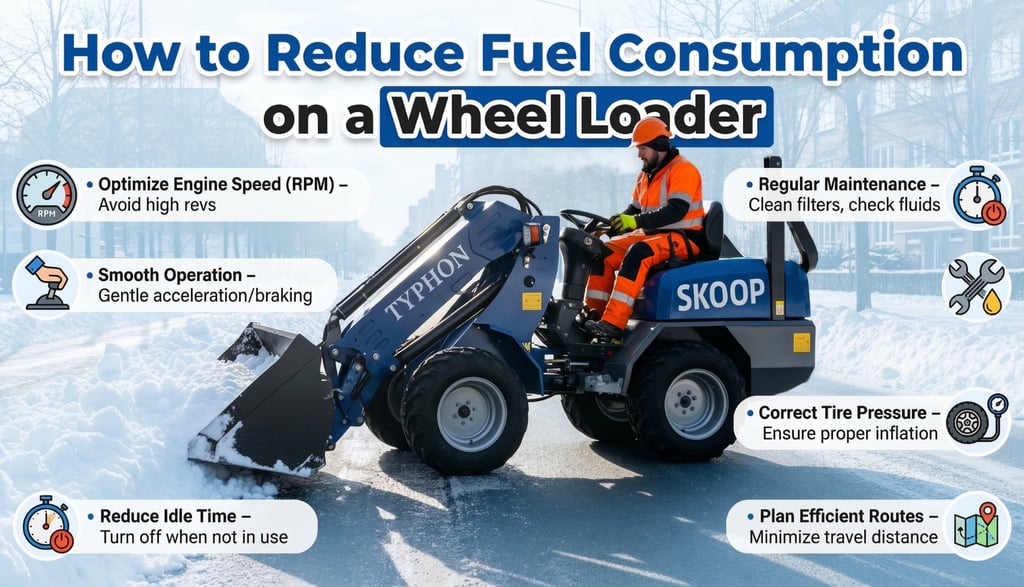
Fuel is more than just an expense; it’s one of the most volatile variables in your operation. A single wheel loader is a massive investment, and its thirst for diesel can quickly erode your margins if you aren't paying attention. However, when you optimize for efficiency, those small, incremental gains compound into substantial annual savings.
High-efficiency operation is a hallmark of a modern, sustainable business. By focusing on fuel conservation, you’re doing more than protecting your bottom line—you’re minimizing your environmental impact and extending the service life of your most valuable assets.
Many fleet managers and operators view fuel consumption as a fixed cost, an unavoidable part of doing business. However, a significant portion of fuel usage is directly influenced by operating techniques, maintenance practices, and job site management. By implementing a strategic approach to fuel efficiency, you can unlock significant savings without compromising productivity.
The key is to understand that fuel efficiency is not achieved through a single action, but through a combination of smart habits and diligent oversight. This guide will provide actionable strategies for operators and managers to reduce fuel consumption on a wheel loader, turning a major expense into a manageable one.
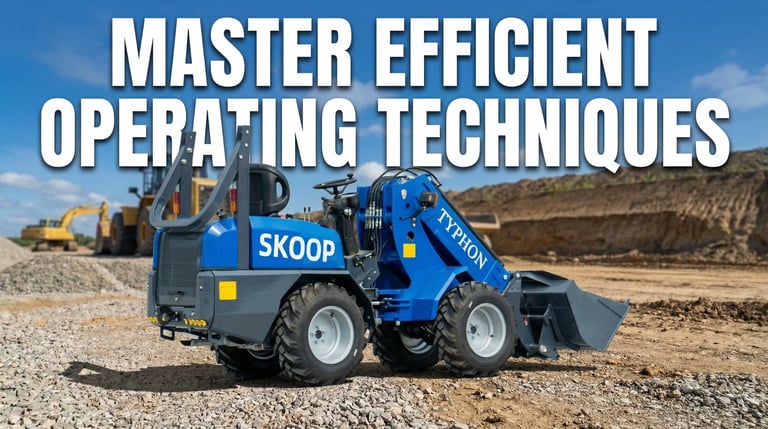
Master Efficient Operating Techniques
The person in the operator's seat has the most direct control over how much fuel a wheel loader burns. Smooth, deliberate operation is fundamental to fuel economy. Aggressive maneuvers, such as rapid acceleration, hard braking, and abrupt direction changes, force the engine to work harder and consume more diesel. Training operators on the following techniques is the first and most effective step toward fuel savings.
Eliminate Unnecessary Idle Time
An idling engine burns fuel without producing any work. While some idling is unavoidable during short pauses, extended periods of idling are a significant source of waste. Modern wheel loaders often feature auto-shutdown systems that can be programmed to turn off the engine after a preset period of inactivity, typically three to five minutes. Encourage operators to manually shut down the machine if it will be inactive for more than a few minutes. This simple habit can reduce idle time by as much as 50%, leading to considerable fuel savings over the life of the machine.
Optimize the V-Pattern Loading Cycle
The most common task for a wheel loader is loading trucks from a stockpile. The efficiency of this repetitive cycle has a massive impact on fuel use. The "V-pattern" is the industry standard for a reason: it minimizes travel distance and turning. The operator should position the truck at an angle to the pile so they can move from the pile to the truck in a smooth, V-shaped path. This reduces the need for sharp, fuel-intensive turns and allows for a more fluid and efficient cycle.
Fill the Bucket Correctly
Overworking the machine to fill the bucket is a common mistake. Instead of pushing deep into the pile at high speed, operators should approach the pile with the bucket level, lift the boom slightly as they penetrate, and then curl the bucket. This technique uses the machine's momentum and hydraulic power efficiently, rather than relying on pure engine force. A full bucket on the first try is far more fuel-efficient than making multiple, less effective passes.
Use the Transmission and Throttle Intelligently
Train operators to use the throttle like an accelerator, not an on/off switch. Maintaining a steady RPM, especially when traveling across the job site, is more efficient than constantly feathering the pedal. Furthermore, many modern wheel loaders have intelligent transmissions or lock-up torque converters. These features automatically shift to a higher gear or create a direct mechanical link between the engine and transmission at higher speeds, significantly reducing fuel consumption during "load and carry" operations. Teach operators to let the machine's technology work for them by achieving speeds where these systems can engage.
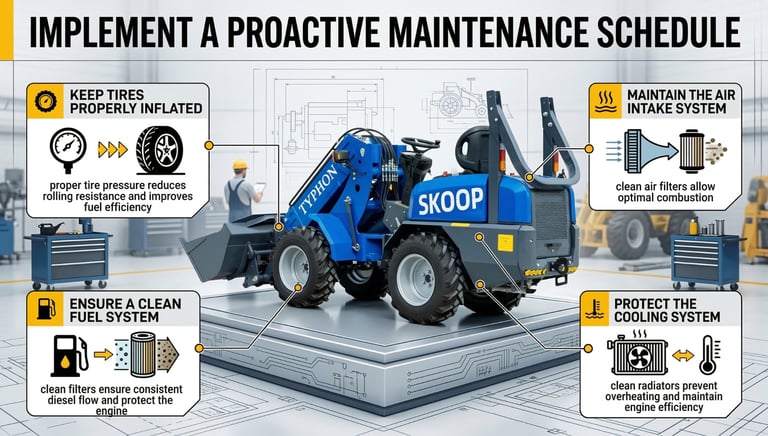
Implement a Proactive Maintenance Schedule
A well-maintained machine is efficient. When components are worn or systems are not functioning correctly, the engine must work harder to compensate, leading directly to increased fuel consumption. A proactive maintenance program is not a cost center; it is an investment in operational efficiency.
Keep Tires Properly Inflated
Tire pressure is one of the most critical yet frequently overlooked aspects of wheel loader maintenance. Underinflated tires increase rolling resistance, forcing the engine to expend more energy to move the machine. This is similar to riding a bicycle with flat tires—it requires much more effort. Checking and maintaining proper tire pressure according to the manufacturer's recommendations can improve fuel efficiency by several percentage points.
Ensure a Clean Fuel System
The fuel system's health is paramount. Clogged fuel filters restrict the flow of diesel to the engine, causing it to run lean or struggle under load. This not only increases fuel consumption but can also lead to long-term engine damage. Adhering to the recommended service intervals for replacing fuel filters and water separators ensures the engine receives a clean, consistent supply of fuel.
Maintain the Air Intake and Cooling Systems
An engine needs to breathe. A dirty or clogged air filter restricts airflow, forcing the engine to burn more fuel to achieve the same power output. Similarly, a cooling system clogged with dirt and debris cannot effectively dissipate heat. When an engine runs too hot, its efficiency drops, and fuel consumption rises. Regular cleaning of the radiator and air filters is a simple task that pays immediate dividends in fuel economy.
Smart Job Site and Fleet Management
Beyond the individual machine and operator, how you manage your site and fleet can yield significant fuel savings.
Select the Right Machine and Attachment
Using a wheel loader that is too large for the task is inherently inefficient. A larger machine burns more fuel at idle and requires more energy to move. Match the size of the wheel loader to the production requirements of the job. The same principle applies to attachments. Using the correct bucket size for the material density ensures that you are moving the maximum amount of material with each cycle without overloading the machine.
Plan Your Site Layout
The layout of a job site can have a profound effect on fuel consumption. Minimize travel distances by placing stockpiles and trucks in strategic locations. Ensure that travel routes are well-maintained and free of ruts or deep mud, as poor ground conditions increase rolling resistance. A small amount of time spent grading a haul road can save a significant amount of fuel over the course of a project.
Leverage Telematics Data
Most modern wheel loaders are equipped with telematics systems that provide a wealth of data on machine performance. Fleet managers can use this data to monitor key metrics like idle time, fuel consumption rates, and operator behavior. By analyzing this information, you can identify which machines or operators are the least efficient and provide targeted training or make necessary adjustments. Setting benchmarks and tracking progress creates a culture of continuous improvement.
Conclusion
Reducing fuel consumption on a wheel loader is a multifaceted effort that requires commitment from everyone, from the operator in the cab to the manager in the office. It begins with instilling smooth operating habits and is sustained by a rigorous maintenance program and intelligent fleet management.
The financial benefits are clear and immediate. A 5% reduction in fuel consumption on a machine that works 2,000 hours a year can save thousands of dollars annually. When scaled across an entire fleet, these savings become a significant competitive advantage. By focusing on efficiency, you not only lower your operational costs but also contribute to a more sustainable and responsible business model. The power to control your largest variable expense is in your hands.
NewExcavatorsfor Sale
High-quality, compact construction equipment and attachments, including mini
Support
TYPHON Machinery Offices
2522 S Malt Ave. Commerce, CA 90040 United States
Phone Support
Sales : +1 213-214-2203
Logistic : +1 626-389-2472
Sales : Sales@typhonmachinery.com
Logistic : Logistics@typhonmachinery.com
Tech Support : Support@typhonmachinery.com
newexcavatorsforsale © 2025. All rights reserved.