Mini Excavator Features Buyers Should Know Before Choosing One
Learn the most important mini excavator features, including engine power, hydraulics, tracks, boom swing, attachments, safety, and operator comfort.
5/2/20266 min read
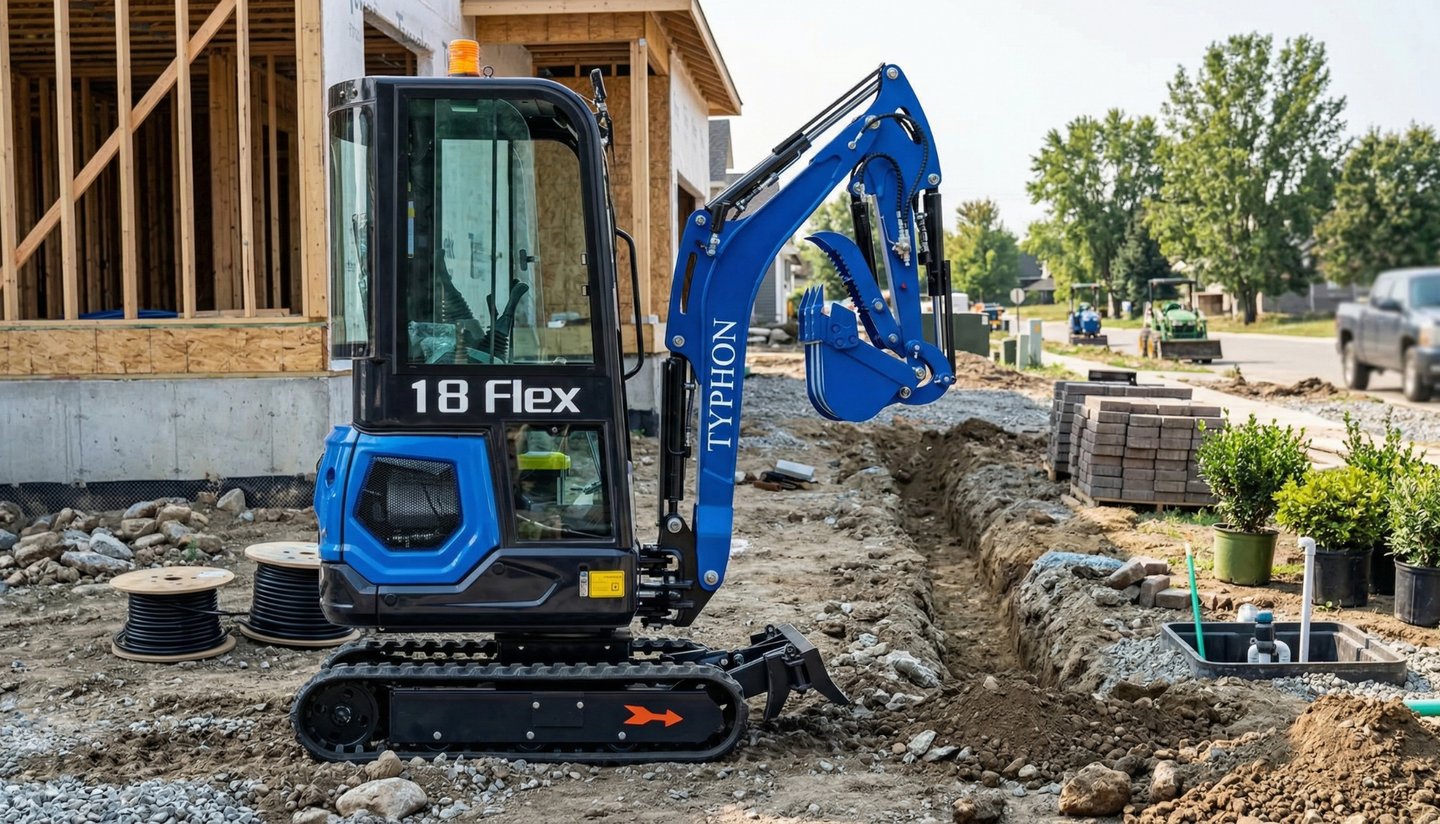
Mini excavators are useful because they give you digging power in a smaller machine. They can work in places where a larger excavator may not fit, such as backyards, narrow paths, small construction sites, farms, gardens, and property maintenance areas.
But choosing a mini excavator is not only about picking the biggest engine or the lowest price. The real value comes from choosing the right features for the work you need to do. A machine used for trenching may need different features than one used for landscaping, small demolition, or farm work.
Understanding the main mini excavator features helps you choose a machine that is easier to operate, safer to use, and more practical for daily jobs.
Why Mini Excavator Features Matter
Mini excavators may look similar from a distance, but small differences can change how they perform on a jobsite. The size of the machine affects where it can fit. The hydraulic system affects how well it digs and runs attachments. The tracks affect stability and ground protection. The boom and arm affect digging depth, reach, and accuracy.
For a beginner buyer, these details can feel confusing at first. But the goal is simple: choose a machine that fits your work area, has enough power for the job, and is easy to maintain.
A good mini excavator does not need every advanced option. It needs the right combination of features for the jobs you actually plan to handle.
Machine Size and Operating Weight
Size is one of the first things to check. Mini excavators are built to work in tighter spaces than full-size excavators, but they still come in different weights and widths.
A smaller mini excavator is easier to move, easier to transport, and better for narrow access areas. It can be useful for landscaping, garden work, small trenching, and property maintenance. The trade-off is that a smaller machine usually has less lifting power, less digging force, and less stability when handling heavy material.
A heavier mini excavator usually feels stronger and more stable. It can dig deeper, lift more, and handle tougher ground better. For contractors or business owners who use the machine often, the extra weight and power may be worth it.
The best size depends on where the machine will work. If it needs to pass through gates or work beside buildings, compact width matters a lot. If it will work on open land or construction sites, more weight and stability may be more useful.
Engine Power and Digging Performance
Engine power affects how the machine handles demanding work. More horsepower can help when digging tougher soil, climbing slopes, or working for long hours. But horsepower alone does not tell the full story.
Digging performance also depends on bucket force, arm force, hydraulic pressure, machine weight, and operator control. A machine with balanced power often performs better than a machine that only has a strong engine but weak hydraulics or poor stability.
For light work, such as shallow trenching, garden digging, and small cleanup jobs, a lower-powered machine may be enough. For heavier digging, regular contractor use, or tougher ground conditions, it is better to choose a machine with stronger digging force and a stable undercarriage.
Buyers should also think about fuel use. A powerful machine can complete heavier jobs faster, but it may use more fuel. A smaller machine may be cheaper to run, but it may take longer if the job is too demanding for its size.
Hydraulic Power and Attachment Support
Hydraulics are one of the most important mini excavator features because they control most of the machine’s working movement. The boom, arm, bucket, blade, swing, and many attachments all depend on hydraulic power.
A good hydraulic system makes the machine feel smooth and responsive. The bucket moves with better control, the boom lifts steadily, and the operator can work more accurately. Weak or slow hydraulics can make the machine feel frustrating, especially when digging hard soil or using hydraulic attachments.
Attachment support is also important. Many buyers want a mini excavator that can do more than dig. With the right hydraulic setup, a mini excavator can use attachments such as an auger, hydraulic breaker, grapple, rake, ripper, grading bucket, or thumb.
Before choosing a machine, check whether it has auxiliary hydraulic lines and whether the hydraulic flow matches the attachments you plan to use. Not every attachment works well with every mini excavator. A machine may be able to carry an attachment, but that does not always mean it has enough hydraulic power to run it properly.
Boom Swing, Digging Depth, and Reach
Boom swing helps the operator dig beside walls, fences, foundations, trees, and other obstacles without moving the whole machine as much. This is useful in tight spaces where repositioning the machine takes time or is not possible.
Digging depth tells you how deep the machine can dig below ground. This matters for trenching, drainage, utility work, and foundation preparation. If the machine cannot reach the required depth, the job becomes slower and harder.
Reach is also important. A longer reach allows the operator to dig farther from the machine, clean edges, load material, or work across small gaps. Dump height matters when loading soil into a trailer, truck, or pile.
These features should match the type of work. A landscaper may care more about control and reach. A contractor doing trenching may care more about digging depth and bucket force. A property owner may want a balanced machine that can handle several small jobs without being too large.
Tracks, Width, and Jobsite Access
Tracks affect how the machine moves, how stable it feels, and how much it protects the ground. Rubber tracks are common on mini excavators because they are better for driveways, lawns, sidewalks, and finished surfaces. They give decent traction while reducing the chance of surface damage.
Steel tracks are stronger in rough ground, but they can damage softer surfaces. They are usually better for harsh jobsite conditions, not finished residential areas.
Machine width is another major factor. A narrow mini excavator can pass through gates, between buildings, and along tight paths. Some machines come with retractable tracks, allowing the undercarriage to become narrower for access and wider again for better stability while working.
Tail swing also matters in tight spaces. A compact tail swing or zero tail swing design reduces the chance of the rear of the machine hitting walls, fences, trees, or nearby objects when the upper body rotates.
For many buyers, access is just as important as power. A strong machine is not useful if it cannot reach the work area.
Operator Comfort and Safety
Comfort may sound like a small detail, but it affects real work. If the operator is uncomfortable, visibility is poor, or the controls feel rough, the job becomes slower and more tiring.
Good controls should feel smooth and predictable. The operator should be able to move the boom, arm, bucket, and blade without fighting the machine. For beginners, simple controls are especially helpful because they reduce mistakes and make the machine easier to learn.
Visibility is also important. The operator needs a clear view of the bucket, tracks, blade, and surrounding area. Better visibility helps with digging accuracy and reduces the risk of hitting objects or working too close to people nearby.
Safety features should not be ignored. A proper operator station, seat belt, safety lock lever, warning labels, work lights, and protective structure all help make the machine safer to use. A mini excavator is smaller than a full-size machine, but it is still heavy equipment and needs to be treated seriously.
Maintenance Access and Daily Checks
A mini excavator should be easy to inspect and service. If basic maintenance points are hard to reach, operators may skip checks, and small problems can become expensive repairs.
Daily checks usually include engine oil, hydraulic oil, coolant, air filter condition, fuel level, hydraulic hoses, track tension, bucket pins, grease points, and visible leaks. These checks do not take long, but they help keep the machine reliable.
Good maintenance access is especially important for business owners. If the machine is used often, downtime can cost money. Easy service panels, clear component layout, and accessible grease points make regular care much easier.
A buyer should also think about parts support. A machine with strong features is less useful if replacement parts are hard to find or service support is weak.
Choosing the Right Mini Excavator Features for Your Work
The right features depend on the job. A homeowner or small property owner may need a compact machine that is easy to control, easy to transport, and gentle enough for lawns or driveways. In that case, rubber tracks, narrow width, simple controls, and basic attachment support may matter most.
A landscaper may need a machine that can dig, grade, trench, and work around tight areas. Boom swing, smooth hydraulics, rubber tracks, and grading bucket compatibility can make a big difference.
A contractor may need stronger digging force, better lifting stability, deeper reach, and more reliable hydraulic power. For regular jobsite use, build quality, maintenance access, and attachment compatibility become more important.
A farm or landowner may want a practical all-around machine for drainage, digging, fence work, cleanup, and small construction tasks. In that case, the best choice is usually a balanced mini excavator with good stability, simple service access, and useful attachment options.
The main point is to choose based on real work, not just the spec sheet. A machine that fits your site and handles your daily tasks will usually be more valuable than one that only looks impressive on paper.
Conclusion
Mini excavator features affect how the machine works, where it can fit, what attachments it can use, and how easy it is to maintain. Size, engine power, hydraulics, boom swing, tracks, safety, and service access all matter in different ways.
Before buying or renting, think about the jobs you need to complete, the space you need to work in, and the attachments you may use later. The best mini excavator is not always the largest or most expensive one. It is the one that fits your work and stays practical every day.
NewExcavatorsfor Sale
High-quality, compact construction equipment and attachments, including mini
Support
TYPHON Machinery Offices
2522 S Malt Ave. Commerce, CA 90040 United States
Phone Support
Sales : +1 213-214-2203
Logistic : +1 626-389-2472
Sales : Sales@typhonmachinery.com
Logistic : Logistics@typhonmachinery.com
Tech Support : Support@typhonmachinery.com
newexcavatorsforsale © 2025. All rights reserved.