
Most Profitable Equipment for Small Contractors
Discover the most profitable construction machines. Build your startup construction equipment list to maximize ROI, versatility, and business growth.
4/11/20266 min read
Launching and growing a small construction company requires exceptional capital management. Every dollar you spend on heavy machinery must generate a reliable, measurable return on investment. Buying highly specialized, expensive machines that sit idle in your yard will quickly drain your working capital and paralyze your business.
You need highly versatile, dependable machinery that keeps your crew moving forward every single day. The best equipment allows you to tackle multiple phases of a project without hauling five different machines to the job site. When your fleet runs efficiently, your profit margins naturally expand.
This guide reveals the most profitable construction equipment for small contractors. We will explore how investing in versatile, cost-effective machinery directly protects your bottom line. You will learn how to build a highly effective startup construction equipment list using skid steers, mini excavators, and compact track loaders to dominate your local market.
Building a Strategy for Equipment ROI
Small contractors simply cannot afford to make purchasing mistakes. You must approach every equipment acquisition as a strategic financial decision. Instead of focusing on raw size or massive horsepower, you must focus entirely on machine utilization.
A machine only generates revenue when it actively works on a billable project. Therefore, the most profitable construction machines can perform dozens of tasks. When you buy versatile equipment, you guarantee high daily utilization rates across multiple job types.
Furthermore, compact machinery drastically reduces your massive transportation costs. You can safely tow compact equipment using a standard heavy-duty pickup truck and a tag trailer. This eliminates the need to hire expensive commercial hauling services or purchase massive semi-trucks.
The Most Profitable Construction Machines
Building a capable fleet does not require a massive initial budget. You can secure highly lucrative contracts by focusing your purchasing power on three core pieces of machinery. Let us examine the specific equipment that delivers the highest financial return for growing contractors.
Mini Excavators: The Ultimate Digging Tool
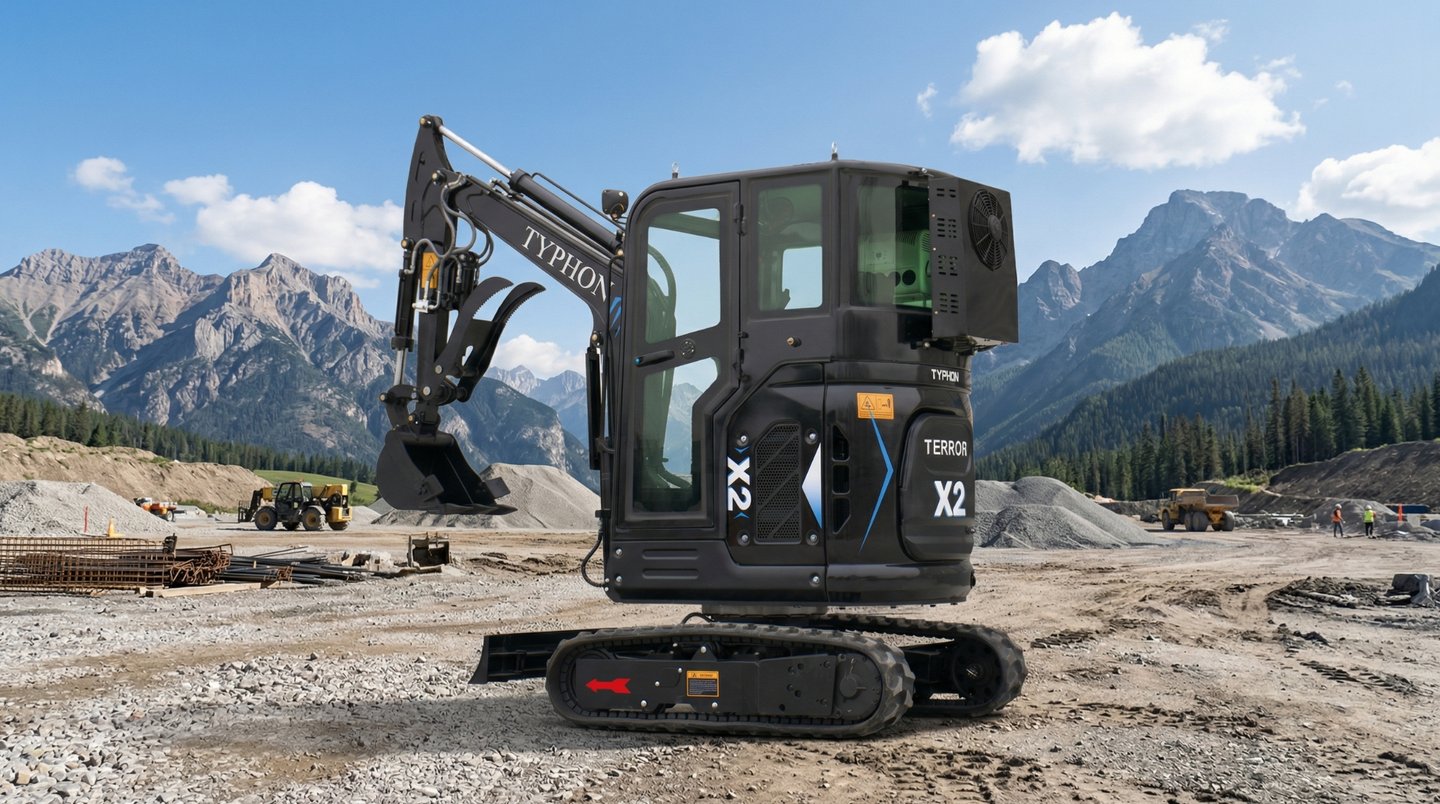
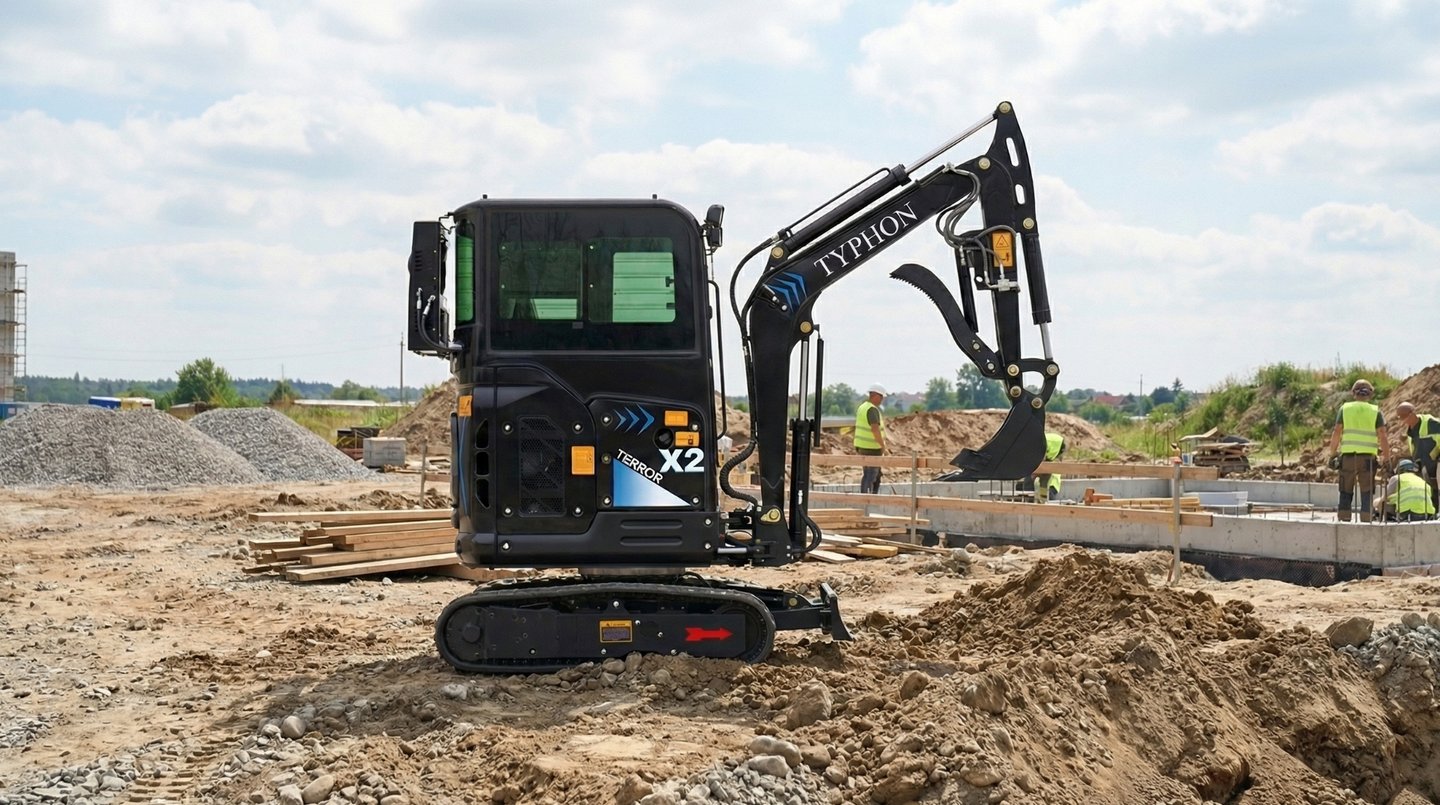
The compact or mini excavator serves as the absolute backbone of any successful small contracting business. These powerful machines deliver incredible breakout force while easily fitting through standard backyard gates. This tight-access capability allows you to take on highly profitable residential projects that larger contractors cannot physically reach.
Mini excavators excel at digging utility trenches, preparing concrete footings, and repairing broken sewer lines. Unlike manual labor, a mini excavator completes these demanding tasks in a fraction of the time, saving you thousands of dollars in hourly wages. You finish the job faster, collect your payment sooner, and move your crew to the next profitable site.
Furthermore, mini excavators accept a wide variety of hydraulic attachments. You can easily swap the standard dirt bucket for a hydraulic thumb, allowing your operator to securely grab heavy rocks and tree stumps. Adding a hydraulic breaker allows you to demolish old concrete driveways, instantly expanding the types of services you offer your clients.
Skid Steer Loaders: Unmatched Versatility
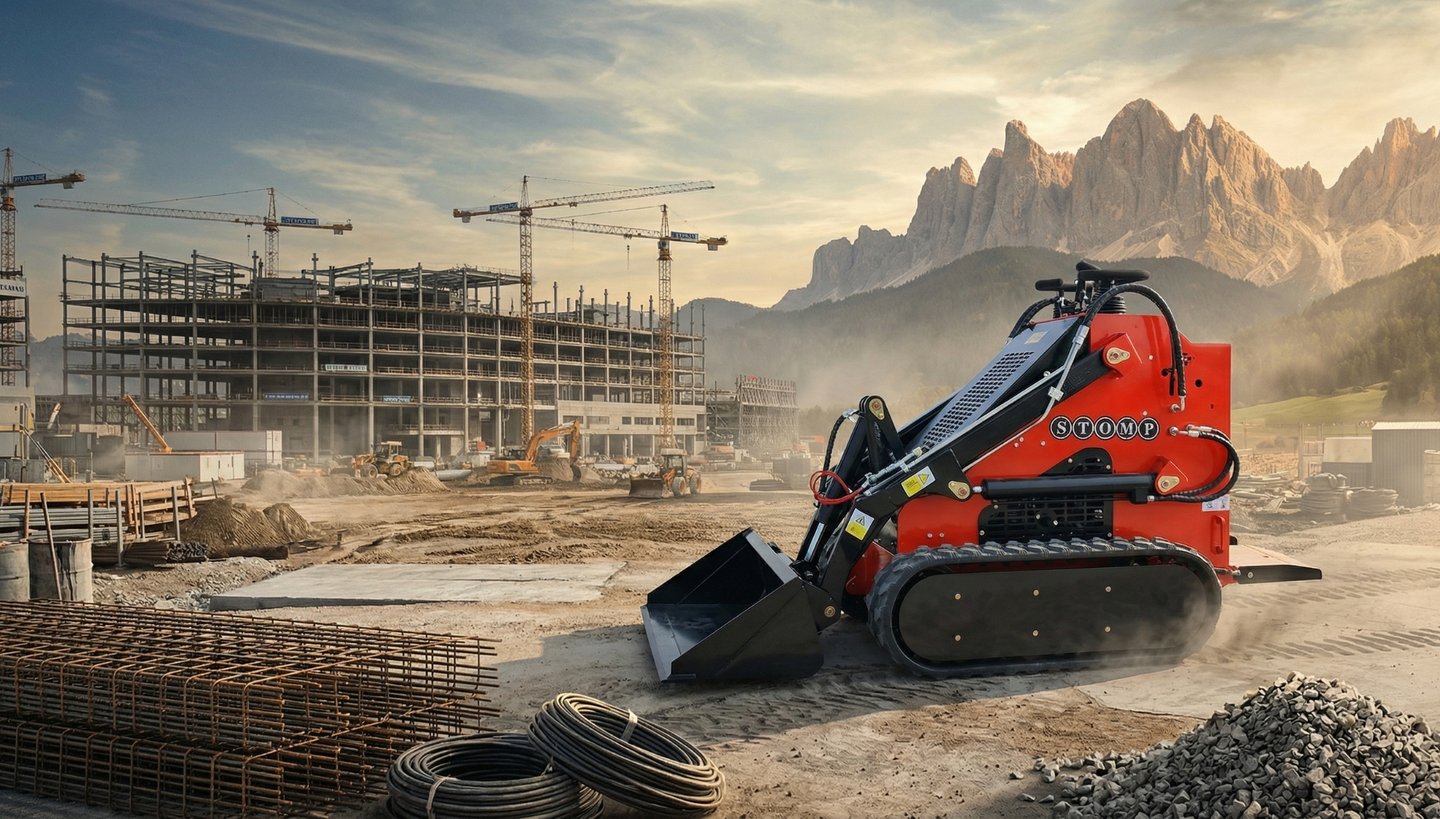
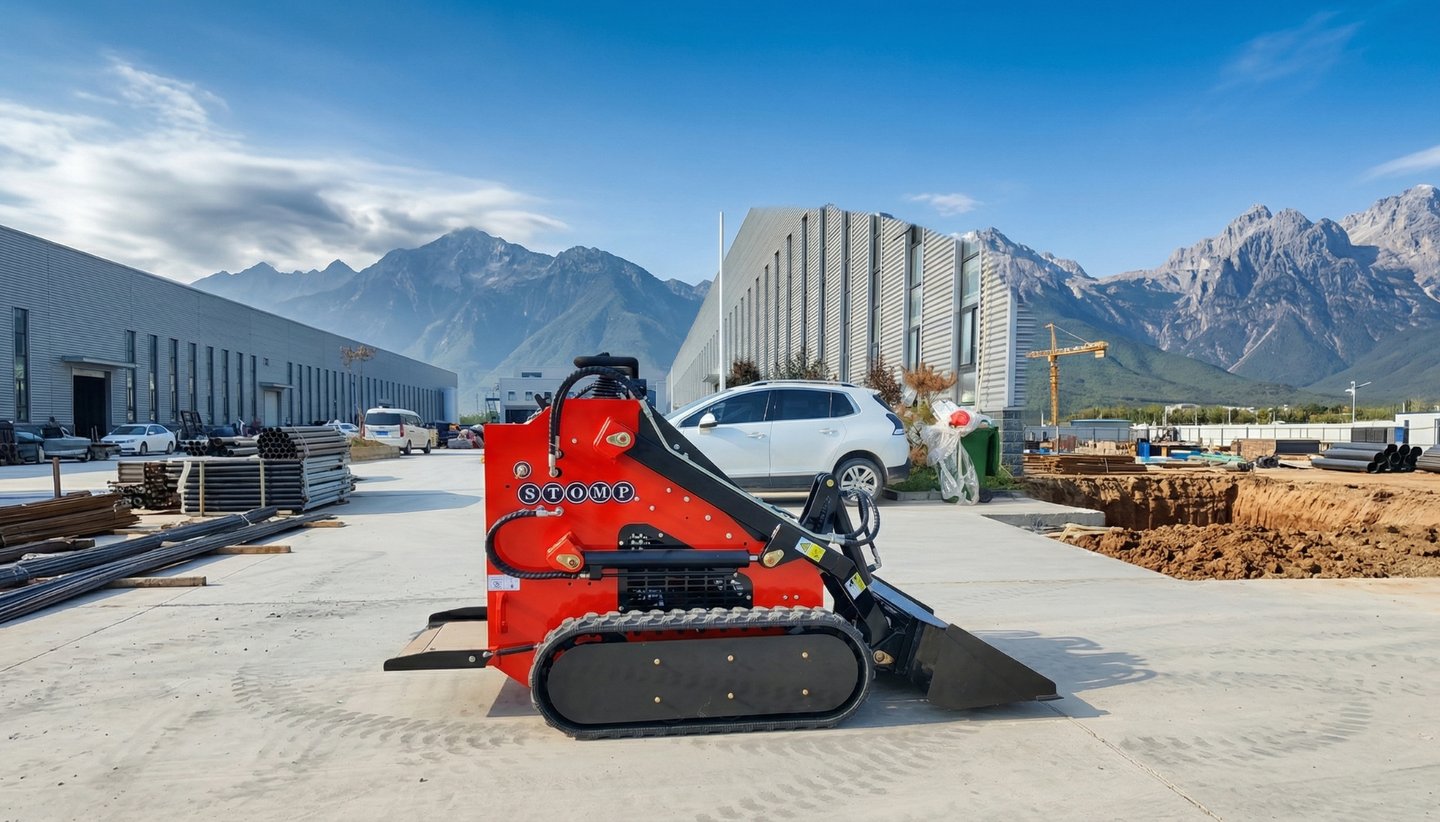
When discussing the best equipment for small construction business owners, the wheeled skid steer loader always ranks near the top. Skid steers offer unmatched maneuverability on hard surfaces like asphalt and concrete. They feature a zero-turn radius, allowing operators to spin the machine completely around within its own footprint.
The true profitability of a skid steer lies in its universal quick-attach system. This machine operates as a highly efficient multi-tool for your job site. You can use a smooth bucket to load massive piles of gravel into a dump truck, then switch to pallet forks to unload heavy blocks in less than two minutes.
Investing in a diverse set of attachments transforms your skid steer into an entirely new machine for every phase of the project. You can attach a sweeper broom to clean the streets, an auger to drill fence posts, or a trencher to lay irrigation lines. This massive versatility keeps the skid steer working constantly, guaranteeing a remarkably fast financial payback period.
Compact Track Loaders (CTL): Unstoppable Traction
While wheeled skid steers dominate on hard surfaces, compact track loaders deliver exceptional performance in challenging terrain. A CTL utilizes heavy rubber tracks that distribute the machine's weight across a much larger surface area. This extremely low ground pressure prevents the machine from sinking into deep mud or soft sand.
For small landscaping and grading contractors, the CTL represents the ultimate revenue generator. The heavy tracks provide massive pushing power, allowing you to grade thick topsoil perfectly flat without losing traction. The low ground pressure also protects delicate residential lawns, eliminating the need to repair deep tire ruts when the project finishes.
Although a CTL typically carries a slightly higher upfront cost than a wheeled skid steer, the ability to work through wet weather easily justifies the investment. When rain turns a job site to mud, your competitors with wheeled machines must stop working completely. Your CTL allows your crew to keep pushing dirt, keeping your project exactly on schedule.
Developing Your Startup Construction Equipment List
When you first launch your business, you must prioritize cash flow above all else. You do not need a massive fleet to generate a strong, six-figure revenue stream. Creating a disciplined startup construction equipment list keeps your monthly overhead exceptionally low while maximizing your physical capabilities.
Start your fleet with a single, highly versatile machine like a medium-sized compact track loader or a 3.5-ton mini excavator. Master every operational aspect of this primary machine and acquire a few high-quality attachments to broaden your service offerings. Only purchase your second machine when you consistently turn down profitable work because your primary machine is too busy.
Renting serves as a powerful strategy during your startup phase. If a specific contract requires a specialized tool like a massive vibratory roller, rent it for that exact project. Renting protects your working capital and prevents you from making long-term financial commitments on equipment you rarely use.
Maintaining Your Equipment for Maximum ROI
Owning the best equipment means nothing if the machine constantly breaks down on your job site. Mechanical failure paralyzes your crew and destroys your profit margins through emergency repair bills. To maximize your return on investment, you must implement a strict, uncompromising preventative maintenance schedule.
Your operators must conduct thorough daily inspections before starting the engine. Checking the engine oil, inspecting hydraulic hoses for leaks, and greasing all pivot points prevents catastrophic failures. Catching a minor issue early costs very little, while ignoring it easily leads to a massive, budget-destroying engine replacement.
Furthermore, strict maintenance protects the long-term resale value of your machinery. When you eventually upgrade your fleet, secondary buyers willingly pay premium prices for machines with clean, documented service histories. This retained equity provides you with a massive financial boost when purchasing your next piece of equipment.
Bidding Strategies With Compact Equipment
Owning compact machinery changes the way you bid on commercial and residential projects. Because your equipment costs less to operate than massive earthmovers, you can submit highly competitive bids while maintaining exceptionally wide profit margins.
You must accurately calculate the daily operating costs of your skid steers and mini excavators. Factor in diesel fuel consumption, operator wages, insurance premiums, and preventative maintenance. Knowing your exact operating cost per hour allows you to price your contracts with total confidence.
Highlight the benefits of your compact equipment when speaking with potential clients. Explain how your low-impact machinery protects its existing property and maneuvers safely around tight residential structures. Positioning your business as a precise, highly efficient operation easily wins trust and secures highly lucrative contracts.
Maximize Your Contracting Profitability Today
Building a successful contracting business requires smart capital investments and highly reliable machinery. You now understand exactly how to identify the most profitable construction equipment for small contractors. By focusing heavily on versatile, compact machines like mini excavators and skid steers, you empower your crew to handle incredibly diverse job site demands.
Take a close look at your upcoming project pipeline and evaluate the specific tasks your crew performs most often. Build a strategic startup construction equipment list that targets those exact requirements. When you prioritize high-utilization machinery and strict preventative maintenance, you build a highly resilient business capable of delivering exceptional financial returns year after year.
Conclusion
In the end, building a profitable small construction business is not about owning the most machines—it is about owning the right ones. When you focus on versatile, high-utilization equipment like mini excavators, skid steers, and compact track loaders, you give your business the flexibility to take on more jobs while keeping costs under control.
Smart contractors grow by making disciplined decisions. By starting with essential machines, renting when needed, and maintaining equipment properly, you protect your cash flow and avoid unnecessary financial risk. Every piece of equipment should serve a clear purpose and contribute directly to your daily revenue.
As your workload increases, your fleet can grow with it—but always with intention. When you align your equipment choices with your actual job demands, you build a lean, efficient operation that stays competitive, maximizes profit, and creates long-term stability for your business.
NewExcavatorsfor Sale
High-quality, compact construction equipment and attachments, including mini
Support
TYPHON Machinery Offices
2522 S Malt Ave. Commerce, CA 90040 United States
Phone Support
Sales : +1 213-214-2203
Logistic : +1 626-389-2472
Sales : Sales@typhonmachinery.com
Logistic : Logistics@typhonmachinery.com
Tech Support : Support@typhonmachinery.com
newexcavatorsforsale © 2025. All rights reserved.