
Renting Out Your Equipment for Extra Income
Learn how to securely rent out construction equipment to generate passive income. Discover proven strategies to maximize your profits and minimize fleet risks.
4/22/20265 min read
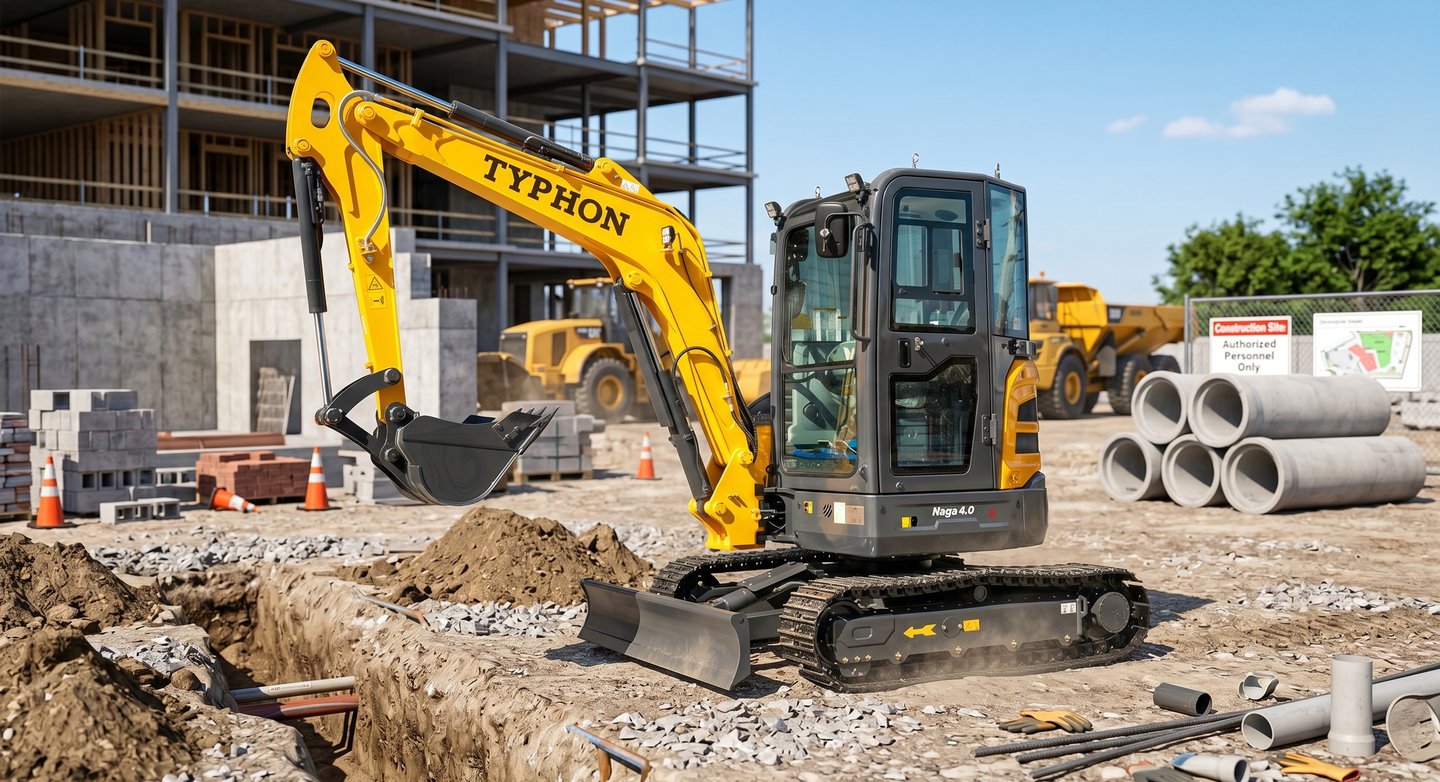
Every contractor knows the frustrating sight of a heavy machine sitting idle in the storage yard. You still pay the monthly financing, commercial insurance, and storage fees, but the equipment generates absolutely zero revenue. Idle iron actively drains your working capital and aggressively shrinks your hard-earned profit margins.
Smart fleet owners refuse to let their valuable assets gather rust between projects. Instead, they choose to rent out construction equipment to other local contractors. This strategic move transforms a financial liability into a reliable, secondary stream of passive income.
This comprehensive guide explores exactly how you can successfully monetize your downtime. We will outline the clear financial benefits, address the inherent risks, and provide actionable strategies to maximize your rental profitability. By understanding the mechanics of the heavy equipment rental market, you can put your machinery back to work and secure your company's financial future.
The Financial Logic of Equipment Rentals
Owning heavy machinery represents a massive capital investment. To justify that investment, the machine must maintain a high utilization rate. When your project pipeline slows down, equipment rentals offer a powerful financial bridge.
Turning Idle Assets into Cash Flow
Construction experiences natural seasonal slowdowns and unexpected project delays. During these gaps, your primary competitors might desperately need the exact machines currently sitting in your yard. By offering your equipment for rent, you tap directly into this high-demand market.
A single excavator rented out for just two weeks can generate thousands of dollars in pure revenue. This cash flow injects vital liquidity into your business precisely when you need it most. You can use these funds to cover payroll, invest in marketing, or build a cash reserve for future emergencies.
Offsetting Your Total Ownership Costs
Heavy equipment depreciates daily, regardless of whether it actually moves dirt. You also face fixed costs like annual insurance premiums and property taxes. When you rent out construction equipment, you force the machine to pay for its own upkeep.
Generating consistent rental income drastically lowers your total cost of ownership. If your monthly finance payment is two thousand dollars, renting the machine out for just five days might cover that entire bill. Everything you earn beyond that break-even point flows directly into your company’s net profit margin.
Navigating the Risks of Renting
While the financial rewards are highly attractive, renting your expensive assets to strangers carries undeniable risk. You must approach this venture with strict professionalism and a clear strategy to protect your property.
Securing Comprehensive Insurance Coverage
Your standard commercial contractor insurance likely does not cover peer-to-peer equipment rentals. If a renter totals your skid steer and you lack the proper coverage, you absorb a massive financial loss. You must proactively eliminate this massive vulnerability.
Contact your insurance broker and explicitly state that you plan to rent out construction equipment. You need a robust policy that specifically covers short-term rentals, job site liability, and theft by conversion. Furthermore, you must demand that every renter provide a valid Certificate of Insurance (COI) naming your company as an additional insured party before they ever turn the ignition key.
Vetting Your Potential Renters
You cannot hand over a hundred-thousand-dollar asset to anyone with a checkbook. You must rigorously vet every single applicant to protect your machinery from abuse and neglect. Establishing strict qualification standards is your first line of defense.
Require potential renters to complete a comprehensive application. Check their business credit scores and verify their commercial standing in the local area. Ask for references from other rental yards or local suppliers. If a contractor has a reputation for abusing machinery or skipping out on invoices, you must decline their business immediately to protect your fleet.
Proven Strategies to Maximize Profitability
Generating a strong return on your rental operations requires more than just posting an advertisement online. You must structure your new venture like a professional rental yard to ensure maximum profitability and legal protection.
Structuring Airtight Rental Agreements
A handshake deal guarantees financial disaster in the equipment rental business. You must utilize a legally binding, heavily detailed rental contract for every transaction. This document dictates the exact terms of the arrangement and protects your legal rights.
Your contract must clearly define the exact rental period, the daily or weekly rate, and the required security deposit. It must outline strict penalties for late returns, excessive engine hours, and returning the machine with an empty fuel tank. Have an experienced local attorney draft this document to ensure it holds up perfectly in your specific jurisdiction.
Setting Competitive and Profitable Rates
Pricing your equipment requires a delicate balance. If you charge too much, contractors will simply visit the massive corporate rental yards down the street. If you charge too little, you will not cover the inevitable wear and tear placed upon the machine.
Research the current rental rates in your immediate local market. Call the major rental houses and ask for quotes on machines identical to yours. You can generally price your equipment slightly below the corporate yards because you carry less overhead. This competitive pricing attracts local contractors while still guaranteeing a highly profitable return on your investment.
Leveraging Peer-to-Peer Rental Platforms
Marketing your available equipment used to require expensive local advertising. Today, digital peer-to-peer rental platforms completely streamline this process. These websites act exactly like popular vacation rental apps, but specifically for heavy machinery.
Listing your fleet on these established platforms gives you instant access to thousands of local contractors actively searching for machinery. The platforms often handle the payment processing, background checks, and even offer supplemental insurance coverage. Utilizing these digital tools drastically reduces your administrative burden and helps you secure consistent rental bookings.
Maintaining Your Fleet for Rental Success
Renters will never treat your machinery with the same care and respect as your own employees. You must anticipate accelerated wear and tear and implement strict maintenance protocols to keep your equipment profitable.
Conducting Pre- and Post-Rental Inspections
You must document the exact physical condition of your machine before it leaves your yard and the moment it returns. Relying on memory makes it impossible to charge a renter for job site damage. You need absolute, undeniable proof.
Create a strict, standardized inspection checklist. Walk around the machine with the renter and take dozens of high-resolution digital photographs. Document the current engine hours, the fuel level, and any existing scratches or dents. Have the renter sign this inspection report. When the machine returns, repeat the exact same process to identify any new damage that requires immediate billing.
Enforcing Strict Maintenance Protocols
Frequent rentals mean your machinery accumulates engine hours rapidly. You cannot allow your preventive maintenance schedule to slip, or you risk catastrophic mechanical failures. A broken machine generates zero rental income and damages your reputation as a reliable supplier.
Service your equipment religiously between every single rental. Grease all pivot points, check the hydraulic fluid levels, and inspect the tracks or tires for severe damage. When you provide contractors with clean, perfectly functioning machinery, they will repeatedly choose your business over the local corporate rental yards.
Conclusion
Building a truly resilient contracting business requires maximizing the value of every asset you own. Letting expensive heavy machinery sit idle in a storage yard actively works against your financial goals. When you choose to rent out construction equipment, you unlock a powerful, highly profitable secondary revenue stream.
Take the time to evaluate your current project pipeline and identify any machines facing extended downtime. Contact your insurance broker to secure the proper rental coverage and work with an attorney to draft a robust rental agreement. By systematically vetting your renters and strictly maintaining your fleet, you can turn your idle iron into a consistent source of passive income. Start treating your machinery as a dynamic financial asset today, and secure lasting profitability for your construction business.
NewExcavatorsfor Sale
High-quality, compact construction equipment and attachments, including mini
Support
TYPHON Machinery Offices
2522 S Malt Ave. Commerce, CA 90040 United States
Phone Support
Sales : +1 213-214-2203
Logistic : +1 626-389-2472
Sales : Sales@typhonmachinery.com
Logistic : Logistics@typhonmachinery.com
Tech Support : Support@typhonmachinery.com
newexcavatorsforsale © 2025. All rights reserved.