
Road Roller Not Starting? Here's What to Check
An operator arrives on site at dawn ready to compact a fresh base before the crew starts paving. He climbs onto the road roller, turns the key, and gets nothing but a weak click.
MINI ROAD ROLLER
7/27/202610 min read
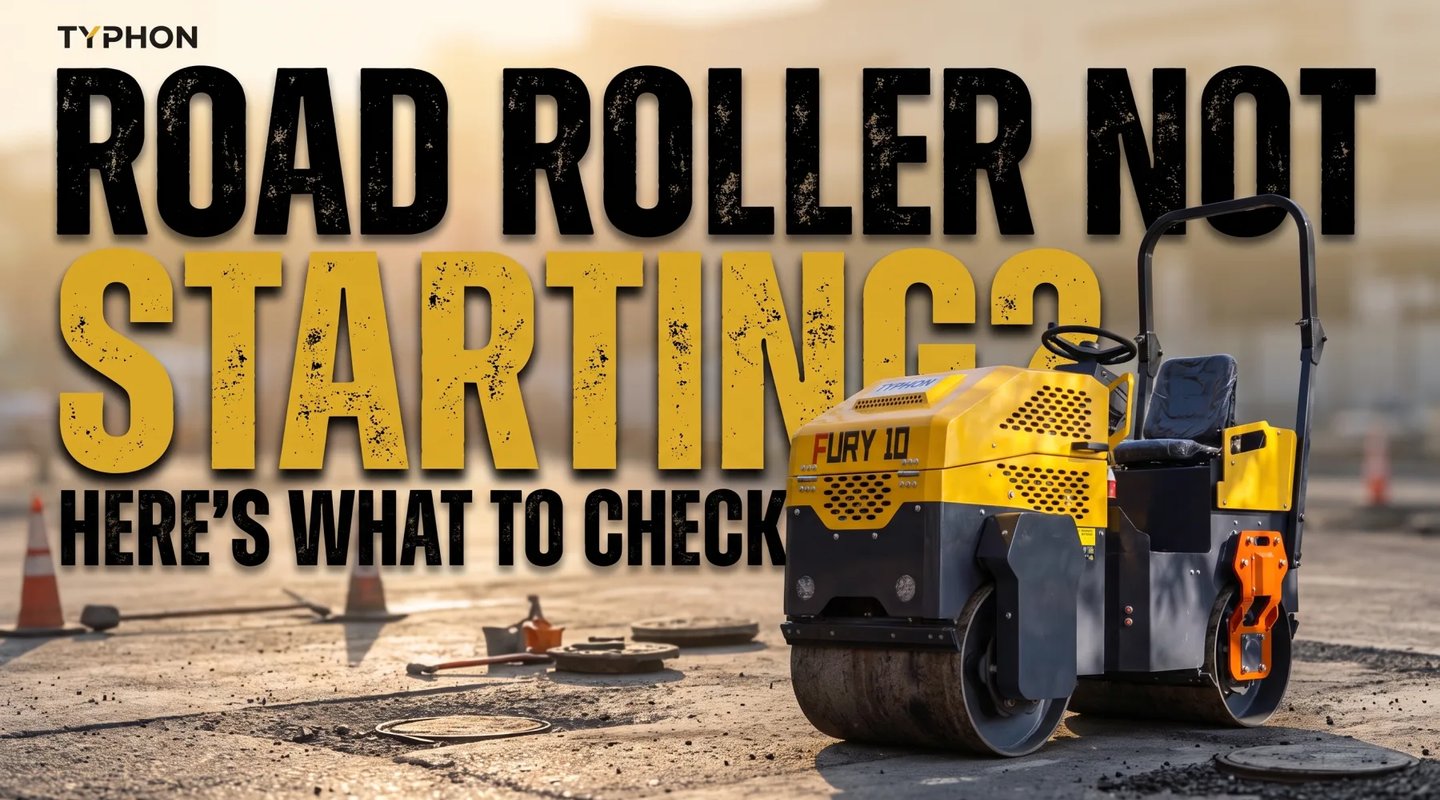
An operator arrives on site at dawn ready to compact a fresh base before the crew starts paving. He climbs onto the road roller, turns the key, and gets nothing but a weak click. He tries again, harder, as if force will help, then keeps cranking until even the click fades. The paving crew stands idle on the clock while he calls for a mechanic, who shows up an hour later and finds a corroded battery terminal and a fuel valve someone left closed the evening before. Two easy checks would have solved it in five minutes. Instead the morning slips away, the schedule backs up, and a simple no-start turns into a costly delay. The machine was ready to run. The quick checks just never happened.
A road roller that won't start almost always has a reason you can track down, and most of those reasons are simple. A no-start comes from a dead battery, a fuel that isn't reaching the engine, a mechanical fault, or a small maintenance miss that quietly grew into a problem. The good news is that a calm, ordered check finds the culprit fast and often gets you running without a shop visit. This post walks you through exactly what to inspect and in what order: the battery and electrical connections, the fuel system, the engine and mechanical causes, and the maintenance habits that prevent no-starts in the first place. Work through these, and you turn a stalled morning into a quick fix.
Start With the Battery and Electrical System
Most no-starts trace straight back to the battery or a loose connection, so this is where every check should begin. The electrical system delivers the power to crank the engine, and any weak link in that chain stops the machine cold. Ruling these out first solves the majority of no-starts in minutes.
Test the Battery and Its Charge
A dead or weak battery is the single most common reason a road roller won't crank. If the machine sat idle over a cold night, powered an accessory that drained it, or simply reached the end of its life, it may not hold enough charge to turn the engine. A slow, labored crank or a rapid clicking both point straight at the battery.
Check the charge before anything else. A quick voltage test tells you whether the battery holds enough power to crank, and jump-starting or charging it confirms the diagnosis fast. When digging into road roller starting issues, a battery that reads low or fails a load test is the first thing to charge or replace, since everything else depends on it.
Inspect Terminals and Connections
A perfectly good battery still won't start the machine if the connections are bad. Corroded, loose, or dirty terminals add resistance that blocks the current from reaching the starter, so the engine won't crank even with a full charge. This is one of the most common and easily missed no-start causes.
Clean and tighten every connection. Scrub away corrosion from the terminals, tighten the clamps until they're snug, and check the ground strap where it bolts to the frame. A clean, tight electrical path often restores a start on its own, so tracing the no-start cause through the connections is worth a careful few minutes before you look deeper.
Check the Starter, Switch, and Fuses
When the battery is strong and the connections are clean but the engine still won't turn, the fault sits further along the electrical path. A failing starter motor, a worn ignition switch, or a blown fuse can each stop the crank. A single click with a good battery often points to the starter or its solenoid.
Work through these one at a time. Listen for the starter engaging, check the fuses and relays tied to the starting circuit, and test the ignition switch for a clean signal. Following a clear road roller electrical troubleshooting sequence keeps you from guessing, so you find the failed component instead of replacing parts at random.
Takeaway:: a weak battery, dirty connections, or a failed starter and switch cause most no-starts, so test the charge, clean the terminals, and check the starting circuit before moving on.
Move On to the Fuel System
If the engine cranks strongly but won't fire, the problem has usually shifted from electrical to fuel. A diesel engine needs clean fuel delivered under pressure to run, and anything blocking that flow leaves the machine turning over without starting. These checks come next when the battery is proven good.
Confirm Fuel Supply and the Shutoff Valve
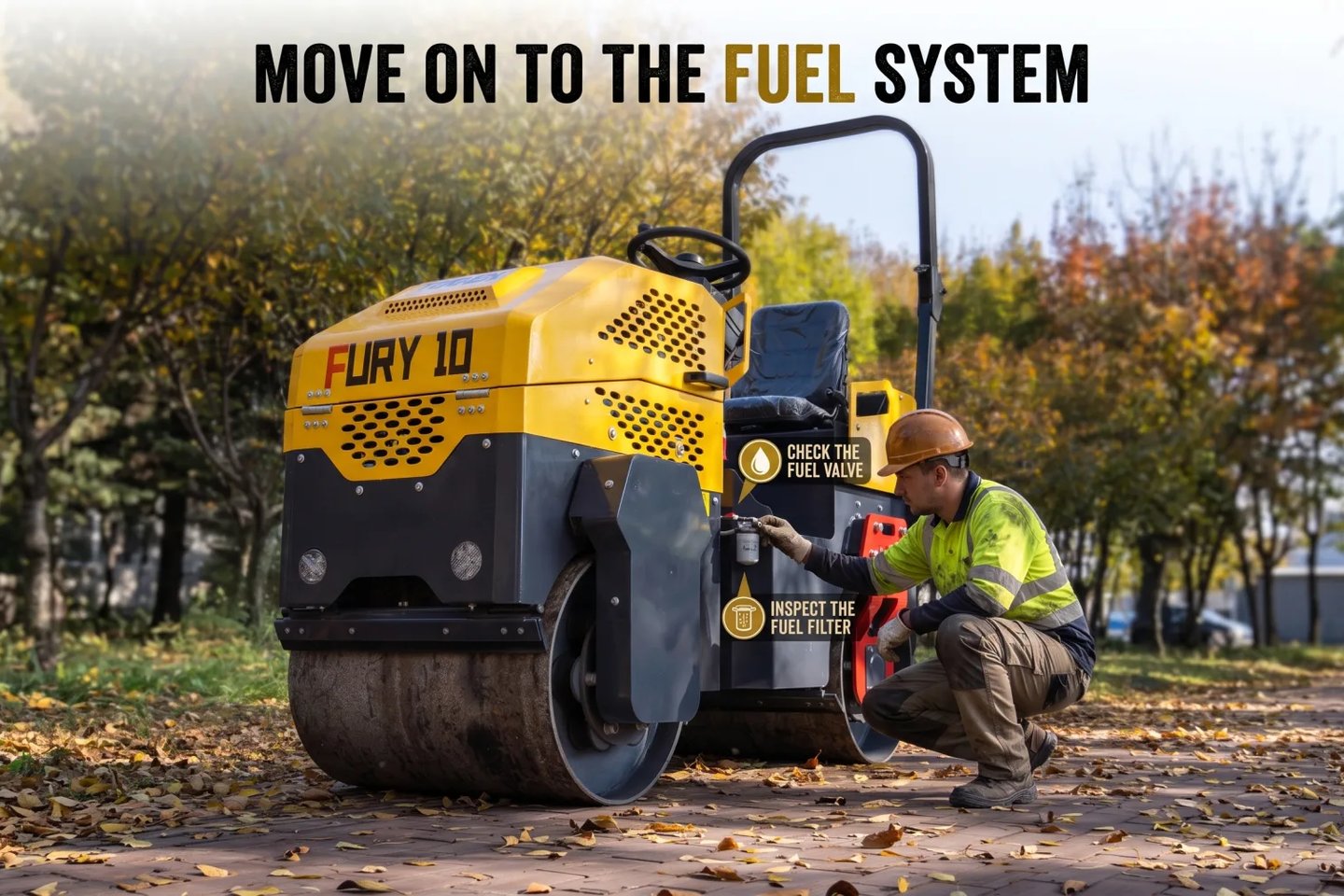
The simplest fuel fault is the most overlooked: no fuel reaching the engine. An empty or near-empty tank, a closed fuel shutoff valve, or a gauge reading higher than the real level all leave the engine dry. It sounds obvious, yet a closed valve after servicing strands more machines than anyone likes to admit.
Verify the basics first. Confirm there's genuine fuel in the tank, check that the shutoff valve is fully open, and make sure the fuel is fresh rather than old and degraded. These take seconds to rule out and frequently solve the no-start on the spot, so never skip them assuming the tank is fine.
Check Filters and Bleed the Lines
A clogged fuel filter chokes the flow an engine needs to fire, and a filter neglected past its service life is a frequent no-start cause. Water or debris in the fuel can block the filter or the lines, starving the engine even when the tank is full. In cold weather, gelled diesel does the same.
Air in the fuel system is another common culprit. If the machine ran out of fuel or a filter was recently changed, trapped air stops the engine from firing until it's bled out. Replacing a clogged filter and knowing how to bleed air from the fuel system restores clean flow and gets a stubborn engine to catch. Draining any water separator keeps contamination from blocking the flow again.
Inspect the Fuel Pump and Injectors
When fuel is present, filters are clean, and the lines are bled but the engine still won't fire, the fault sits in the components that pressurize and deliver the fuel. A failing fuel pump can't build the pressure the engine needs, and clogged or worn injectors won't spray fuel into the cylinders properly. Both stop a start.
These faults call for closer inspection. Check that the fuel pump builds pressure and that the injectors deliver a clean spray, since a machine that cranks well and has clean fuel but won't fire often points here. A fuel system inspection checklist helps you confirm whether the pump and injectors are doing their job or need service.
Takeaway:: an empty tank or closed valve, a clogged filter or air-locked line, and a failing pump or injectors are the usual fuel causes, so work from the tank inward when the engine cranks but won't fire.
Look at Engine and Mechanical Causes
When the electrical and fuel systems both check out and the machine still won't start, the cause is likely mechanical or tied to the engine's operating conditions. These faults run deeper, but many are still within an operator's reach to diagnose. Work through them once the simpler systems are ruled out.
Rule Out Cold-Start and Glow Plug Problems
A diesel road roller relies on glow plugs to heat the combustion chamber for starting, especially in cold conditions. A failed glow plug or a fault in the glow plug circuit leaves the engine too cold to fire, so it cranks and cranks without catching on a chilly morning. This is a leading cold-weather no-start.
Give the system its due before cranking hard. Let the glow plugs cycle fully and watch for the indicator that signals they've heated, then try the start. If the machine only refuses to start when it's cold, checking the glow plugs and their relay usually points you straight to the cause, so warm the chamber properly rather than grinding the starter.
Check Safety Switches and Interlocks
Modern road rollers include safety interlocks that prevent starting unless certain conditions are met, and a tripped or faulty interlock mimics a serious no-start. A seat switch, a control lever out of neutral, a parking brake not set, or a safety switch fault can all block the engine from starting by design.
Reset the operating conditions first. Confirm you're seated properly, the controls sit in neutral, and the brake is set as the machine expects, then try again. A faulty interlock switch can also block a start even when everything is positioned right, so tracing a no-start through the safety circuit often reveals a simple interlock issue rather than an engine fault.
Consider Compression and Internal Faults
The deepest no-start causes life inside the engine itself. Low compression from worn components, a timing fault, or a serious internal problem can stop an engine from firing even when fuel and electrical systems are perfect. These are less common but more serious when they appear.
Read the signs honestly. An engine that cranks fast and freely yet never fires, despite good fuel and spark conditions, may have lost compression or developed an internal fault. This is the point where a qualified technician and proper diagnostic tools earn their keep, so recognizing an internal engine problem tells you it's time to stop guessing and get expert help.
Takeaway:: cold-start and glow plug faults, tripped safety interlocks, and internal engine problems account for the mechanical no-starts, so check the simple interlocks and glow plugs before suspecting anything deep in the engine.
Build Maintenance Habits and Know When to Call for Help
Most no-starts are prevented long before the key ever turns, through steady maintenance that keeps every system ready. Good habits stop the small problems that strand a machine, and knowing your limits keeps a quick fix from becoming a costly one. These practices keep a road roller starting reliably shift after shift.
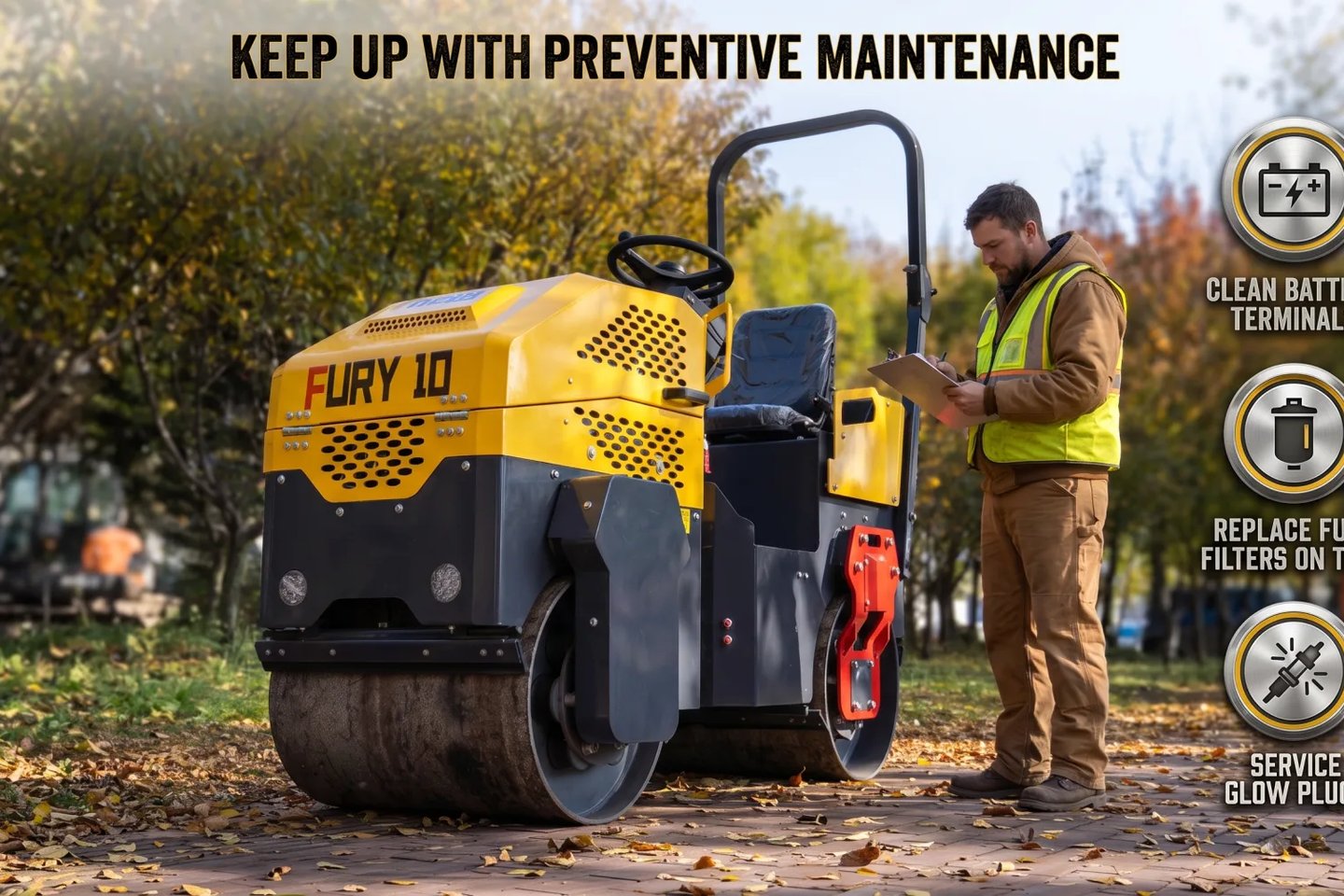
Keep Up With Preventive Maintenance
A machine maintained on a schedule rarely refuses to start, because the common causes never get the chance to build. Keep the battery charged and its terminals clean, replace fuel filters on time, use fresh and properly treated fuel, and service the glow plugs and starting components before they fail. Each small task heads off a no-start before it happens.
Set a simple rhythm and stick to it:
Every shift: check the fuel level, glance over the battery terminals, and confirm nothing was left switched on.
Regularly: clean and tighten electrical connections, and inspect fuel lines and filters for wear or contamination.
On schedule: replace fuel filters, service the battery, and treat fuel for the season ahead.
A road roller cared for on this rhythm starts dependably, since maintenance handles the causes before they ever leave you stranded.
Run a Calm, Ordered Diagnosis
When the machine won't start, resist the urge to crank repeatedly or replace parts on a hunch, since both waste time and can cause new damage. Instead, work through the systems in the order this post lays out: battery and electrical first, then fuel, then mechanical. That sequence moves from the most common and easiest causes to the rarer and harder ones.
Note what the machine tells you along the way. Whether it cranks or stays silent, fires briefly or not at all, and starts warm but not cold, all narrow the cause quickly. An operator who follows a steady step-by-step no-start diagnosis solves most problems fast and knows exactly what to report when a technician is needed.
Know When to Call a Professional
Some faults sit beyond a field fix, and forcing the issue only risks bigger damage. Repeated cranking on a machine that won't start can flatten the battery, flood the engine, or strain the starter, so recognizing when you've reached your limit protects the machine. Persistent no-starts after the basic checks call for expert help.
Trust a qualified technician for the deeper faults. Internal engine problems, fuel pump and injector failures, and electrical faults you can't trace all warrant proper diagnostic tools and experience. Leaning on dependable service for those repairs keeps a small no-start from becoming a major one, and a specialist can often solve in an hour what would cost you a day of guessing.
Takeaway:: steady preventive maintenance prevents most no-starts, an ordered diagnosis finds the cause fast, and knowing when to call a professional protects the machine, so treat prevention and disciplined troubleshooting as your first line of defense.
Frequently Asked Questions
How can I prevent my road roller from failing to start?
Prevention comes down to a steady routine. Keep the battery charged with clean, tight terminals, replace fuel filters on schedule, and always use fresh, properly treated fuel. Check the fuel level and glance over the connections before each shift, and service the glow plugs and starting components before they fail. In cold climates, treat the fuel for winter and consider a block heater. A machine maintained on this rhythm rarely refuses to start, because the common causes never get the chance to build up.
When should I stop troubleshooting and call a technician?
Call for help once you've worked through the basic checks without success, or when the fault clearly runs deep. Repeated cranking risks flattening the battery, flooding the engine, or straining the starter, so don't force it. Internal engine problems like low compression, fuel pump or injector failures, and electrical faults you can't trace all need proper diagnostic tools and experience. A machine that cranks fast and freely yet never fires, despite good fuel and electrical conditions, is a clear signal to bring in a qualified specialist rather than keep guessing.
Conclusion
A road roller that won't start almost always has a cause you can find with a calm, ordered check. Work through the systems in sequence: battery and connections first, then fuel supply and filters, then glow plugs, safety switches, and deeper engine faults. Resist the urge to crank repeatedly or swap parts on a hunch, since both waste time and risk new damage. Back every fix with steady preventive maintenance, because a machine kept charged, fueled, and serviced on schedule rarely leaves you stranded. Know when a fault has moved past a field fix and call a qualified technician rather than forcing the issue. Get that discipline right, and a stalled morning becomes a quick fix instead of a lost shift. When you're ready to source dependable parts or the service support to keep your machine starting every time, reach out to a trusted equipment specialist who can pair reliable equipment with the results your projects depend on.
NewExcavatorsfor Sale
High-quality, compact construction equipment and attachments, including mini
Support
TYPHON Machinery Offices
2522 S Malt Ave. Commerce, CA 90040 United States
Phone Support
Sales : +1 213-214-2203
Logistic : +1 626-389-2472
Sales : Sales@typhonmachinery.com
Logistic : Logistics@typhonmachinery.com
Tech Support : Support@typhonmachinery.com
newexcavatorsforsale © 2025. All rights reserved.