
Static vs Vibratory Compaction: Key Differences
Understand the vital differences between static and vibratory compaction. Learn which method delivers the best results for your heavy civil infrastructure projects.
5/16/20267 min read
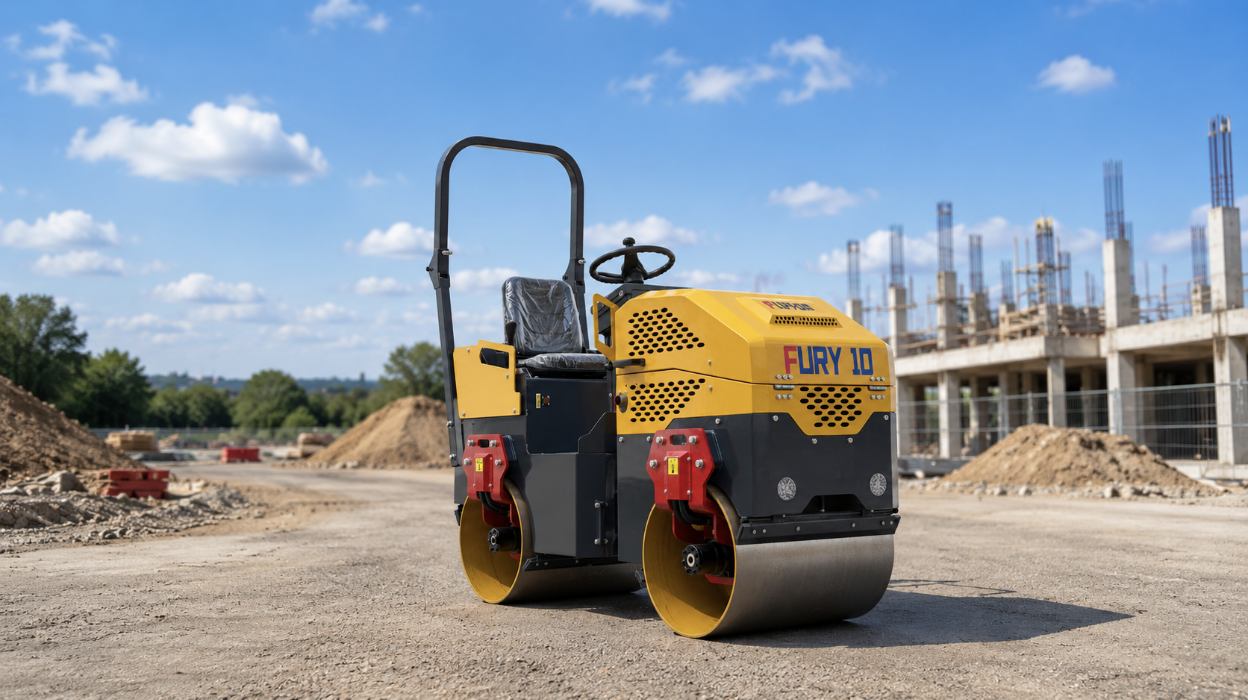
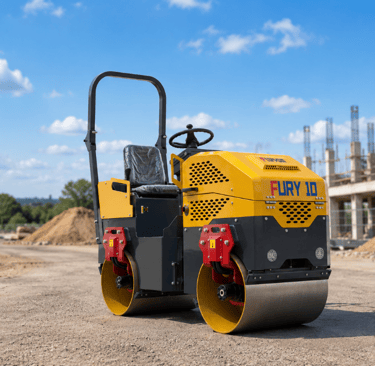
Delivering flawless, long-lasting highway infrastructure requires contractors to make critical decisions long before the first load of asphalt arrives on the job site. The foundation of any durable road depends entirely on the strategic application of heavy machinery to eliminate hidden voids and create a rigid, unshakable subgrade. When you choose the wrong equipment for the material at hand, you risk severe structural failures, premature pavement cracking, and devastating financial losses. We know that your clients expect uncompromising reliability from your contracting business, and meeting those high expectations requires a deep understanding of compaction mechanics.
The heavy equipment industry generally divides soil and asphalt compaction into two distinct categories, forcing contractors to choose between static and vibratory methods. Both approaches serve incredibly vital roles in the modern construction workflow, but they achieve their results through entirely different physical forces. Selecting the correct machine dictates the speed of your operation, the density of your final product, and the overall smoothness of the finished highway.
This comprehensive guide explores exactly how each compaction method works and details the specific materials they suit best. We will examine the practical job site scenarios that dictate when contractors choose one technique over the other. By understanding the profound impact of the static vs vibratory roller debate on your daily productivity and finish quality, you can optimize your heavy equipment fleet and guarantee absolute excellence for every single infrastructure project you undertake.
Understanding the Mechanics of Compaction
To build highly resilient infrastructure, operators must fundamentally understand how their heavy machinery interacts with the earth beneath the steel drums. Compaction is the scientific process of forcing soil, gravel, or asphalt particles tightly together to remove microscopic air pockets. Eliminating these empty spaces prevents future settlement and ensures the roadbed can successfully support the immense weight of commercial freight logistics.
The Pure Weight of Static Compaction
Static compaction relies entirely on the raw, unyielding force of gravity to achieve material density. A static machine utilizes its massive operating weight, pushing down continuously on the earth through heavy steel drums or smooth pneumatic rubber tires. There is no active mechanical manipulation of the ground beyond the sheer downward pressure generated by the mass of the machine itself. As the heavy equipment rolls slowly across the prepared surface, it literally crushes the loose aggregate particles together, forcing them to lock into a stable, uniform layer.
Because static machinery depends solely on downward pressure, its effective reach is limited strictly to the upper layers of the material. The compressive force naturally dissipates as it travels deeper into the soil profile, meaning a static machine cannot effectively compact a thick layer of loose earth in a single pass. Operators must lay down very thin lifts of material, carefully rolling each individual layer to ensure the density reaches the very bottom of the foundation. This methodical, highly controlled process provides exceptional surface smoothness but requires immense patience from your dedicated paving crews.
The Dynamic Force of Vibratory Compaction
Vibratory compaction fundamentally changes the physics of heavy earthmoving by introducing aggressive kinetic energy into the equation. Inside the massive steel drum of a vibratory machine, a rapidly spinning eccentric weight creates powerful, high-frequency vibrations. As the heavy equipment drives forward, the drum rapidly strikes the ground thousands of times per minute. This dynamic action combines the raw downward weight of the machine with relentless impact force, sending powerful shockwaves deep into the earth.
These deep-penetrating shockwaves act as a mechanical lubricant, temporarily reducing the natural friction that holds individual soil and stone particles apart. As the friction breaks down, the aggregate particles freely slide past one another and reorganize into an incredibly dense, tightly interlocked formation. This brilliant engineering allows the kinetic energy to reach far deeper into the subgrade than traditional gravity alone. As a result, vibratory machinery can effectively compress much thicker lifts of material, drastically accelerating the preparation phase of your heavy civil projects.
Matching Machinery to Base Materials
The success of your commercial paving operation depends entirely on matching the specific mechanical forces of your equipment to the physical characteristics of your raw materials. Different types of soil and aggregate react completely differently to heavy pressure and kinetic vibration. Deploying the wrong machine for your specific material type wastes valuable diesel fuel, damages your expensive equipment, and completely destroys the structural integrity of your foundation.
Granular materials, such as crushed stone, coarse gravel, and clean sand, lack natural binding properties and rely entirely on particle interlocking for strength. These materials respond exceptionally well to the dynamic shockwaves generated by vibratory equipment. The high-frequency impacts easily shake the loose stones into a dense, solid matrix, creating a flawless structural base for your commercial highways. When your project requires building a deep, load-bearing foundation out of heavy aggregate, the vibratory machine stands as the absolute most productive asset in your heavy equipment fleet.
Conversely, cohesive materials like heavy clay and dense silt contain high levels of moisture and natural plasticity. If you apply aggressive vibratory force to wet clay, the material acts like a sponge, absorbing the shockwaves and causing the heavy steel drum to bounce violently off the surface. This dangerous bouncing damages the machine's hydraulic mounts and completely fails to increase the density of the earth. Cohesive soils require the slow, relentless kneading action provided by the heavy pneumatic tires of a static machine. The static pressure forces the moisture and air out of the clay, slowly building the necessary density without shattering the structural profile.
Making the Choice: Static vs Vibratory Roller on the Jobsite
Deciding between a static vs vibratory roller requires site managers to evaluate the specific phase of the construction project and the precise thickness of the material lift. During the initial earthmoving and foundational grading phases, aggressive productivity is your absolute highest priority. Your operators must compress massive volumes of crushed stone and structural fill dirt rapidly to keep the project on schedule. In these demanding scenarios, contractors universally deploy heavy vibratory machines to maximize their deep-soil density and push the project forward toward the paving phase.
However, the final stages of hot mix asphalt paving require an entirely different, highly refined operational strategy. When the commercial pavers lay down the fresh, steaming asphalt, they rely on vibratory machines to perform the initial breakdown rolling. The vibration forces the hot aggregate rocks to interlock tightly, establishing the core structural strength of the pavement. Once the necessary density is achieved, the vibratory system must be completely shut off.
If an operator continues to use vibration as the asphalt begins to cool and harden, the aggressive impacts will literally shatter the brittle aggregate and destroy the flexible petroleum binders. To achieve the perfect final finish, the contractor must transition immediately to a static machine. The heavy, smooth drums of the static equipment glide silently over the warm asphalt, pressing out any remaining imperfections without fracturing the delicate surface materials. This strategic combination of kinetic power and static finesse guarantees a highway that looks perfect and performs flawlessly.
Impact on Finish Quality and Surface Smoothness
Your clients judge the overall quality of your contracting firm the moment they drive their vehicles over your finished product. A poorly finished road results in a chaotic, bumpy ride that severely damages your professional reputation and leads to expensive warranty disputes. Achieving an incredibly smooth, mirror-like finish requires absolute operational discipline during the final stages of the paving process.
Vibratory machinery, by its very nature, leaves behind subtle ripple marks and microscopic ridges across the surface of the asphalt due to the rhythmic striking of the heavy steel drum. While these marks are incredibly small, they create an unacceptable level of road noise for commercial traffic. The primary purpose of deploying static machinery at the end of the project is to iron out these tiny imperfections. The continuous, uninterrupted weight of the static drum acts like a massive rolling pin, flattening the surface perfectly and completely erasing the kinetic footprint left behind by the initial breakdown passes.
This crucial finishing step seals the surface of the pavement tightly, preventing destructive rain and melting snow from penetrating the asphalt profile. When you prioritize finish quality through meticulous static rolling, you deliver a watertight, highly resilient transportation artery. Municipalities and private developers heavily favor contracting firms that consistently produce beautifully smooth, quiet, and reliable roads.
Driving Productivity and Operational Speed
In the highly competitive civil construction industry, operational speed directly dictates your overall profitability. You cannot afford to let slow compaction procedures bottleneck your grading crews or delay your commercial paving teams. Vibratory machinery provides a massive boost to your daily operational speed by significantly reducing the total number of passes required to achieve engineering density. Because the kinetic shockwaves penetrate deeply, your operators can compress thicker lifts of material in a fraction of the time it would take using a traditional gravity-based approach.
However, this aggressive speed comes with a significant need for precise operational control. An inexperienced operator can easily over-compact a section of roadway by leaving the vibration engaged for too many passes. Over-compaction crushes the structural aggregate into a fine dust, instantly ruining the load-bearing capacity of the foundation. Site managers must constantly monitor field density using advanced nuclear gauges, ensuring the vibratory machines shut down the exact moment the soil reaches its perfect structural threshold.
While static machinery moves at a slower, more deliberate pace, its reliability and operational safety make it an indispensable asset for commercial contractors. Your operators do not have to worry about shattering the aggregate or damaging underground utility lines with aggressive kinetic shockwaves. The steady, highly predictable nature of static pressure allows your finishing crews to work with absolute confidence, guaranteeing that the final layer of your project meets the strict visual and structural tolerances demanded by modern civil engineering standards.
Conclusion
Securing the long-term success of your contracting business requires an unwavering commitment to engineering perfection and strategic equipment utilization. You cannot build highly reliable, long-lasting infrastructure without deeply understanding the distinct mechanical advantages of your heavy machinery. The dynamic power of kinetic vibration and the relentless smoothing force of static pressure both serve absolutely critical roles in the modern roadbuilding workflow.
We encourage you to evaluate your upcoming commercial projects and carefully match your heavy equipment fleet to your specific material challenges. By mastering the fundamental differences between these powerful compaction methods, you empower your dedicated operators to work with exceptional speed, precision, and professional confidence. Invest strategically in the right machinery, prioritize a flawless surface finish, and ensure your contracting firm remains the deeply trusted, authoritative leader in the demanding civil construction market.
NewExcavatorsfor Sale
High-quality, compact construction equipment and attachments, including mini
Support
TYPHON Machinery Offices
2522 S Malt Ave. Commerce, CA 90040 United States
Phone Support
Sales : +1 213-214-2203
Logistic : +1 626-389-2472
Sales : Sales@typhonmachinery.com
Logistic : Logistics@typhonmachinery.com
Tech Support : Support@typhonmachinery.com
newexcavatorsforsale © 2025. All rights reserved.