
The Evolution of Construction Equipment Technology
Discover the evolution of construction tools, from early manual labor to modern construction innovations like automation, telematics, and electric machinery.
3/21/20266 min read
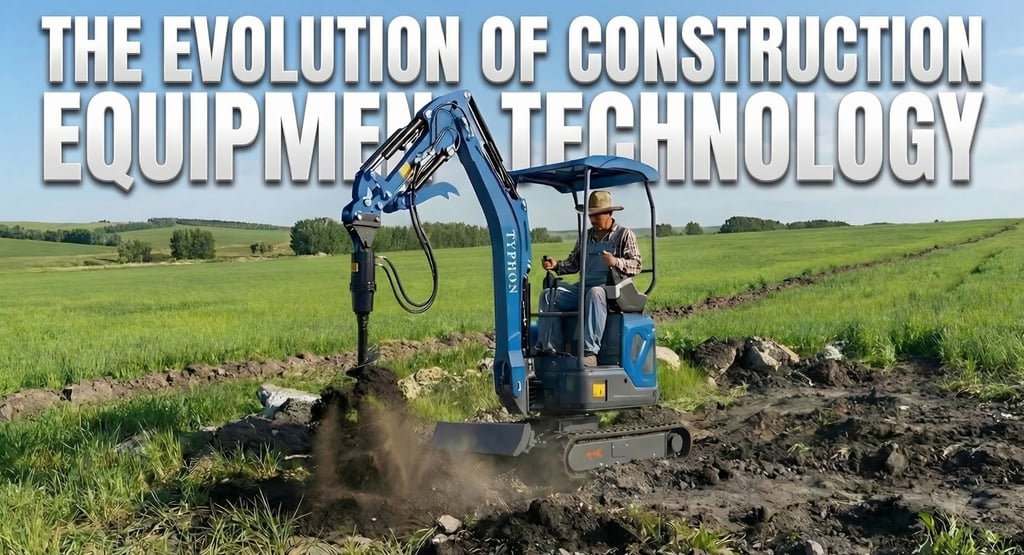
Building massive infrastructure wasn’t always powered by advanced machines. In the early days, construction relied heavily on manual labor, animal strength, and simple tools like levers, ropes, and wooden pulleys. While ancient builders accomplished impressive projects, the process was slow, physically demanding, and limited in scale. Looking back at the history of heavy machinery shows just how much the construction industry has evolved.
The evolution of construction equipment is a powerful example of human innovation. Each breakthrough in heavy equipment technology was designed to solve real challenges on the job site—whether it was lifting heavier materials, digging deeper foundations, or improving overall construction efficiency. Over time, engineers have continued to develop smarter, more powerful machines that not only boost productivity but also enhance worker safety.
In this guide, we’ll explore the evolution of construction machinery, from early steam-powered equipment to today’s advanced, data-driven machines. Modern construction equipment technology is transforming the industry by increasing efficiency, improving safety standards, and supporting more sustainable construction practices.
The Early Days: Hand Tools and Animal Power
Before the invention of mechanized engines, construction required massive armies of laborers. Workers moved earth using simple shovels, picks, and wheelbarrows. The sheer volume of manual labor required to build early roads, canals, and fortresses was staggering. Progress moved slowly, measured in small cartloads rather than tons.
To multiply human effort, builders harnessed the strength of draft animals. Horses, mules, and oxen pulled heavy wooden scrapers and dragged large stone blocks across work sites. While animal power significantly increased the amount of material moved per day, it introduced logistical challenges. Managing a large herd of animals required substantial food, water, and specialized care, which strained project budgets.
The physical limitations of muscle power dictated the pace of global infrastructure development. Deep excavations and massive grading projects remained monumental challenges that took decades to complete. The industry desperately needed a mechanical solution to break through these physical barriers.
The Industrial Revolution: Steam Power Changes the Game
The 19th century brought a radical shift with the introduction of the steam engine. This remarkable invention fundamentally altered the evolution of construction tools. Inventors mounted heavy steam boilers onto massive steel frames, creating the first mechanical earthmoving machines.
The steam shovel became the defining symbol of this era. These massive, track-mounted behemoths used high-pressure steam to power massive winches and cable systems. A skilled operator could manipulate the cables to swing a large iron bucket, biting into the earth with unprecedented force. Steam shovels proved their immense value during massive infrastructure projects, moving millions of cubic yards of rock and dirt in a fraction of the time required by hand labor.
However, steam-powered equipment possessed significant drawbacks. The machines were incredibly heavy, difficult to maneuver, and required a constant supply of coal and fresh water to maintain steam pressure. Furthermore, operating these cable-driven machines required intense physical effort and extreme precision, making the work dangerous for the crews operating them.
The Shift to Diesel Engines and Hydraulics
The real breakthrough in construction equipment technology came in the early 20th century with the rise of the internal combustion engine. Compared to bulky steam-powered systems, diesel engines delivered a much better power-to-weight ratio, making machines more efficient and easier to operate. With stronger, more reliable torque, manufacturers could design compact and highly mobile heavy equipment that could move easily around tight construction sites.
At the same time, the introduction of hydraulic systems completely changed how force was controlled in construction machinery. Instead of relying on outdated and risky cable systems, engineers began using pressurized hydraulic cylinders for smoother and more precise operation. This innovation allowed operators to control equipment with incredible accuracy—whether adjusting the digging depth of an excavator or the lifting angle of a wheel loader—greatly improving both productivity and safety on the job site.
This period marked the birth of modern heavy machinery as we know it today. Equipment like tracked bulldozers, wheel loaders, and motor graders quickly became essential tools across the construction industry. The combination of diesel engine power and advanced hydraulics sparked a new era in earthmoving equipment, enabling contractors to take on large-scale infrastructure projects such as highways, dams, and commercial developments with greater speed and efficiency.
The Digital Age: Modern Construction Innovations
While hydraulics and diesel engines defined the 20th century, the 21st century focuses entirely on data, precision, and digital connectivity. Modern construction innovations have transformed heavy equipment from brute-force mechanical tools into highly intelligent, rolling computers.
Manufacturers now integrate advanced sensors and microprocessors directly into the machine's primary control systems. This digital infrastructure allows the equipment to monitor its own performance, interpret job site data, and assist the operator in real-time. The result is an unprecedented level of control and operational efficiency.
Telematics and Fleet Management
One of the most impactful advancements in construction equipment technology is the integration of telematics. Telematics systems use GPS technology and cellular networks to transmit real-time data from the machine directly to the fleet manager's office.
This technology provides complete visibility over an entire fleet of equipment, regardless of where the machines are operating. Managers can instantly track machine location, monitor fuel consumption, and analyze engine idle times. Furthermore, telematics systems send automated alerts regarding upcoming maintenance intervals or critical engine fault codes. By leveraging this data, contractors can schedule preventative maintenance accurately, drastically reducing the risk of catastrophic mechanical failures and expensive unexpected downtime.
Automation and Machine Control
Machine control technology takes digital innovation a step further by automating specific functions of the equipment. Using advanced GPS receivers and laser positioning systems, an excavator or bulldozer can read a digital 3D site plan uploaded directly into the cab's monitor.
The machine's computer communicates with the hydraulic valves, automatically adjusting the blade or bucket to match the exact elevation required by the blueprint. The operator simply drives the machine forward, while the technology handles the precise grading or digging. This level of automation eliminates the need for manual grade checking, drastically reduces material waste, and allows even novice operators to achieve millimeter-perfect accuracy on the very first pass.
The Shift Toward Sustainability: Electric Machinery
As global industries prioritize environmental responsibility, construction equipment technology is undergoing another major paradigm shift. The development of electric and hybrid heavy machinery represents the next frontier in the evolution of construction tools.
Electric compact excavators and wheel loaders replace traditional diesel engines with large-capacity lithium-ion battery packs and powerful electric motors. These zero-emission machines provide the exact same hydraulic breakout force and lifting capacity as their diesel counterparts.
Operating electric machinery offers massive benefits beyond environmental protection. Electric motors produce significantly less noise and vibration, creating a much safer and more comfortable environment for the operator and the ground crew. This quiet operation allows contractors to work extended hours in dense urban environments or residential neighborhoods without violating strict noise ordinances. Additionally, electric machines feature far fewer moving parts, which greatly reduces long-term maintenance costs and fluid replacement requirements.
How Technology Improves Efficiency and Safety
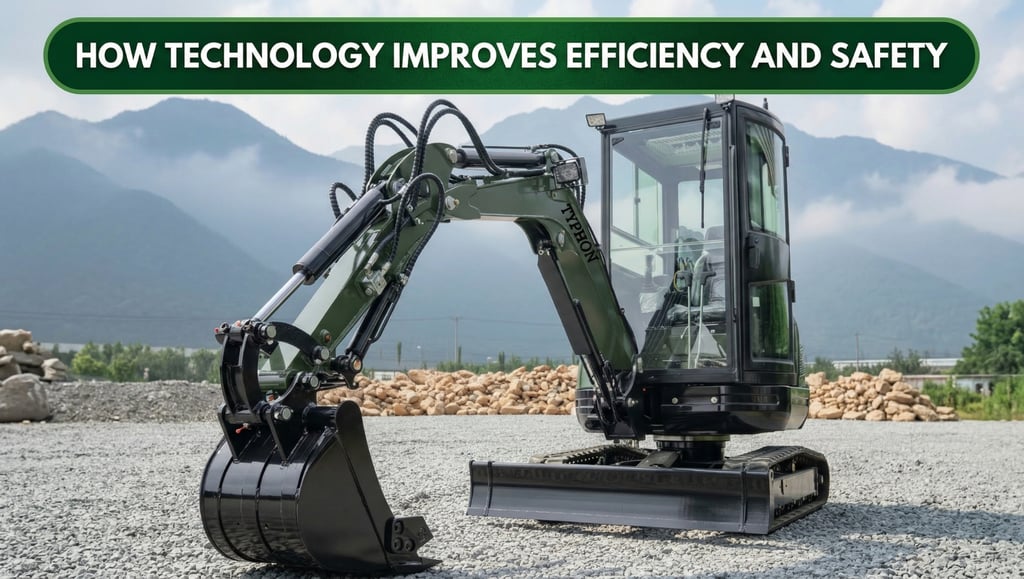
Every step forward in construction equipment technology fundamentally aims to improve job site efficiency and protect the workforce. Modern machines feature pressurized, climate-controlled cabs equipped with ergonomic joystick controls, reducing operator fatigue during long shifts. High-definition backup cameras, proximity sensors, and 360-degree radar systems provide operators with complete situational awareness, virtually eliminating dangerous blind spots.
Efficiency gains translate directly into higher profitability for contracting businesses. Automated grading systems allow crews to complete earthmoving tasks faster and with less fuel consumption. Telematics ensures that machines remain healthy and productive, avoiding the massive financial drain of a stalled project. By embracing these technological advancements, construction companies can bid on more complex projects, complete them under budget, and secure a strong competitive advantage in the market.
Conclusion
The evolution of construction equipment technology from manual labor to modern marvels highlights the relentless drive for improvement within the heavy machinery industry. From the sheer brute force of early steam shovels to the surgical precision of GPS-guided automated grading, every innovation has reshaped how we build the world around us.
As technology continues to advance, understanding and adopting these modern construction innovations becomes critical for the success of any contracting business. Prioritizing equipment equipped with telematics, advanced safety features, and efficient power systems ensures your fleet remains competitive and productive.
Take the time to evaluate your current equipment lineup. Consider how integrating machine control systems or exploring electric machinery options could streamline your daily operations and reduce your long-term overhead costs. Staying informed about the latest technological advancements empowers you to make strategic purchasing decisions, keeping your crew safe and your business highly profitable for years to come.
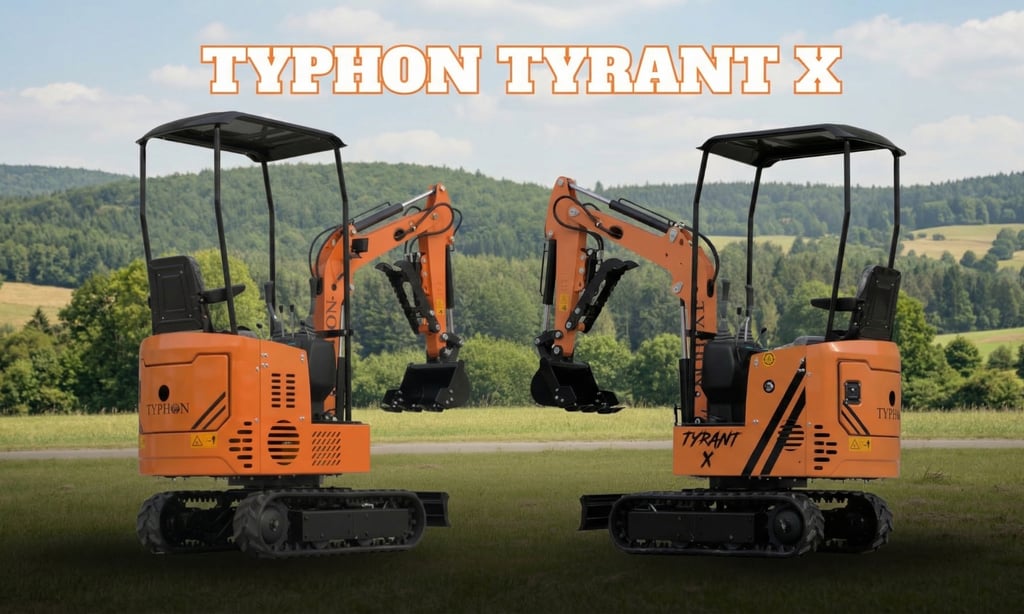
NewExcavatorsfor Sale
High-quality, compact construction equipment and attachments, including mini
Support
TYPHON Machinery Offices
2522 S Malt Ave. Commerce, CA 90040 United States
Phone Support
Sales : +1 213-214-2203
Logistic : +1 626-389-2472
Sales : Sales@typhonmachinery.com
Logistic : Logistics@typhonmachinery.com
Tech Support : Support@typhonmachinery.com
newexcavatorsforsale © 2025. All rights reserved.