
The Hidden Machine Behind Long-Lasting Roads
Discover true road roller importance. Learn how compaction equipment benefits prevent cracks and how road construction machines build lasting infrastructure.
5/5/20266 min read
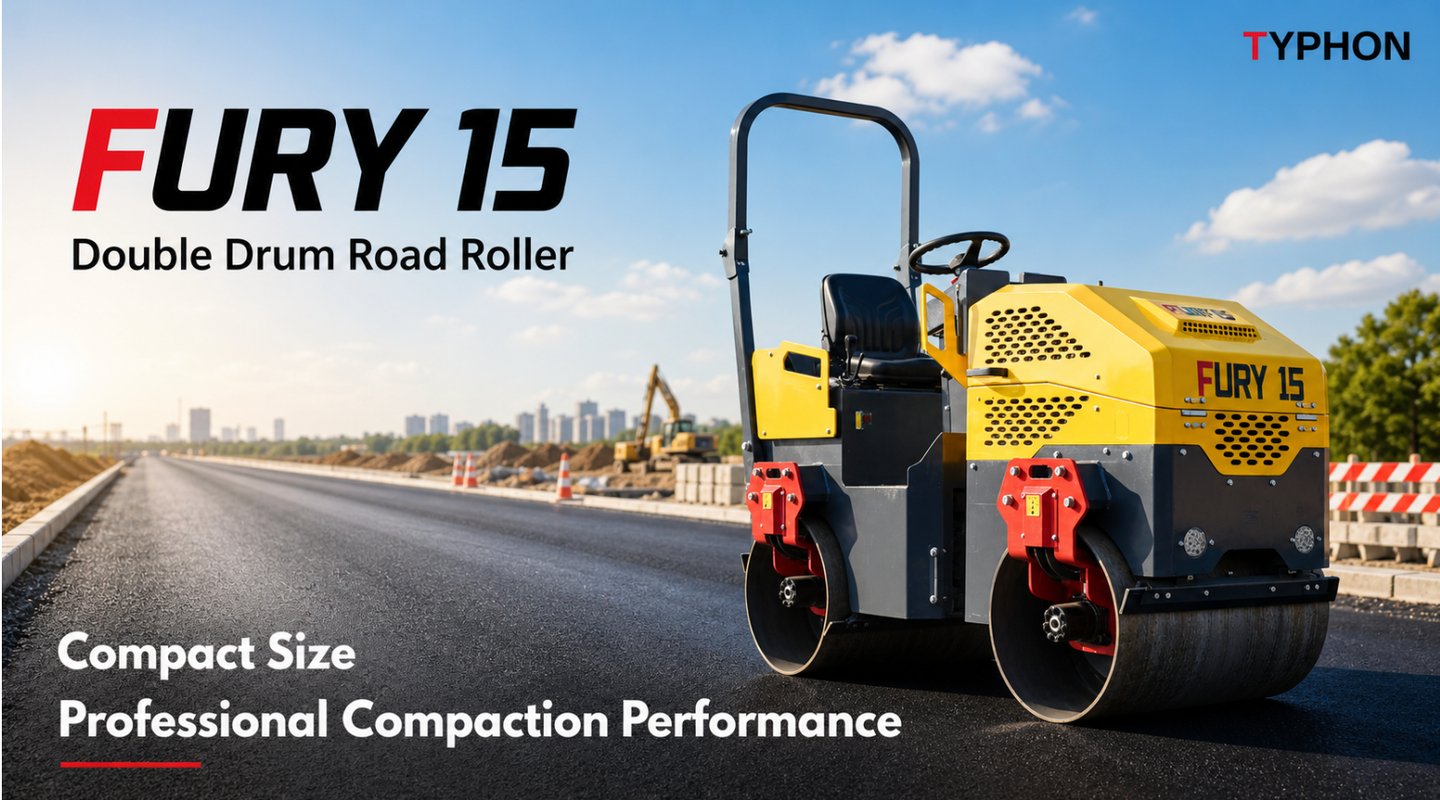
When you smoothly glide down a newly paved highway or safely turn into a commercial parking lot, you are experiencing the direct result of careful engineering and heavy machinery. Most people who are watching naturally focus on the huge dump trucks that are hauling aggregate or the big paving machines that are laying down steaming blacktop. But the real champion of that perfect, long-lasting surface usually works quietly at the very end of the line. In today's world, the machine you hardly notice is what determines how long the whole paving project will last. We know that making a surface that can handle decades of heavy traffic takes a lot more than just pouring asphalt on the ground. To permanently bind those materials together, you need a lot of intense, planned, and constant pressure.
This complete guide goes into great detail about the undeniable importance of road rollers and explains exactly how these heavy-duty machines are the backbone of public safety and infrastructure longevity. We will explain the science behind how proper compaction makes things last forever and stops terrible early road failures. You will also learn how these machines deal with very different physical problems, like making the deep foundational soil stable and polishing the final asphalt surface. You can make sure your construction fleet delivers the high-quality work your clients expect and deserve by knowing the main benefits of core compaction equipment.
The Unseen Hero of Modern Infrastructure
People rarely stop to watch a road roller slowly pacing back and forth across a busy work zone. The machine lacks the dramatic, fast-paced action of an excavator aggressively digging a trench or a wheel loader throwing massive piles of stone into a truck. However, this deliberate, methodical movement serves as the single most critical phase of the entire construction build. These specialized road construction machines carry the immense responsibility of locking millions of individual aggregate particles together into a single, cohesive structural unit. Without this absolutely vital final step, the massive financial investment spent on raw materials and specialized labor would literally wash away during the very first heavy rainstorm.
We understand that as a contractor, your professional reputation relies entirely on delivering finished products that easily stand the test of time. Recognizing the profound road roller importance shifts your operational perspective from simply finishing the job quickly to engineering a permanent legacy of quality. The roller essentially acts as your final quality control inspector on the site, literally pressing out hidden imperfections and guaranteeing that the new surface can support the punishing weight of daily commercial transport. When you prioritize high-quality compaction, you protect your business from the disastrous financial consequences of structural failure and client dissatisfaction.
The Science of Ultimate Durability
Understanding the true value of these machines requires a brief look at the physical science occurring beneath the heavy steel drums. Whenever fresh soil, gravel, or hot asphalt is poured onto a site, the material naturally contains millions of microscopic air pockets and moisture voids. If left uncompressed, these empty spaces act as severe structural weak points hidden deep within the roadbed. The primary goal of a road roller is to apply immense downward force to squeeze out every single pocket of trapped air and water.
The most profound compaction equipment benefits reveal themselves in the sheer density of the finished material. As the heavy steel drum passes over the surface, it forces the jagged edges of the crushed stone and the sticky asphalt binder to interlock perfectly. This intense interlocking process drastically increases the load-bearing capacity of the pavement. A properly compacted road acts as a solid, unified shield that successfully distributes the heavy weight of passing semi-trucks across a wide area, rather than allowing that concentrated pressure to punch directly through the surface.
Modern machines amplify this interlocking effect by introducing high-frequency vibration into the steel drums. Rather than relying solely on the static weight of the machine, the vibrating drum sends powerful shockwaves deep into the ground. These rapid vibrations temporarily overcome the natural friction between the aggregate particles, allowing them to slide tightly against one another and settle into the absolute densest configuration possible. This dynamic combination of heavy static weight and intense vibration produces a level of structural integrity that simple gravity could never achieve.
Preventing Cracks and Early Road Failure
The consequences of ignoring proper compaction protocols are swift, visible, and incredibly expensive to repair. When a paving crew rushes the rolling process or uses undersized machinery, those hidden air voids remain trapped inside the asphalt layer. As massive trucks drive over the newly paved road, the immense weight causes the surface to flex and bend downward into those empty, unsupported pockets. This continuous flexing rapidly causes microscopic fractures to form across the pavement, which eventually spiderweb into massive, destructive surface cracks.
Once the surface cracks open, the road is essentially doomed to a rapid and early failure. Rainwater easily seeps down through the cracks and infiltrates the foundational sub-base below. During the freezing winter months, that trapped water turns into ice, expanding violently and shattering the asphalt from the inside out. This freeze-and-thaw cycle is the exact mechanism that creates massive, tire-destroying potholes. By utilizing the correct road construction machines to achieve maximum density on the very first day, you completely seal the surface against water intrusion and stop this destructive cycle before it ever begins.
Furthermore, improper compaction leads to dangerous rutting and surface deformation. If the asphalt is not pressed firmly into place while it is still hot, the continuous flow of heavy traffic will eventually push the material out of the designated travel lanes. This creates deep, hazardous grooves in the road that collect standing water and cause passenger vehicles to hydroplane out of control. Your commitment to thorough, meticulous rolling directly protects the safety of the daily commuters who rely on your infrastructure.
Mastering the Foundation: Soil Compaction
Creating a world-class road begins long before the first drop of black liquid asphalt ever arrives at the job site. The absolute foundation of any durable surface relies entirely on the stability of the underlying earth. If the natural soil and the imported gravel base are loose and shifting, the rigid asphalt poured on top will inevitably crack and collapse. Road rollers play a mandatory role in the site preparation phase, transforming loose dirt into a rock-hard platform ready to support heavy infrastructure.
During this foundational phase, contractors often deploy specialized padfoot rollers. Instead of a smooth steel cylinder, these drums feature rows of heavy steel blocks that aggressively knead and punch into the deep, heavy clay soils. This aggressive action breaks up tough clods of dirt and forces the moisture out, creating a deeply stabilized base layer. Once the initial earthmoving concludes, operators bring in smooth drum vibratory rollers to compress the layers of crushed gravel sub-base, creating a perfectly flat, incredibly dense foundation.
Mastering this preliminary soil compaction guarantees that the finished road will not sink, settle, or wash away over time. We emphasize that skipping or rushing this foundational step is the most common and costly mistake made in the civil construction industry. Investing the necessary time and fuel to properly roll the dirt ensures that your highly expensive surface materials have a solid, uncompromising platform to rest upon for decades to come.
Sealing the Surface: Asphalt Compaction
Once the solid foundation is established, the paving machines lay down the final layer of hot mix asphalt. This phase of the project is a delicate, time-sensitive race against the thermometer. Asphalt can only be successfully compacted while it remains at a highly elevated temperature. If the material cools down before the roller finishes its passes, the asphalt becomes entirely too stiff to compress, leaving the surface porous, weak, and highly vulnerable to weather damage.
Operators driving asphalt rollers must execute a highly coordinated dance immediately behind the paving crew. They typically deploy tandem vibratory rollers, which feature smooth steel drums on both the front and the rear of the machine. The operator must make careful, overlapping passes across the steaming blacktop, ensuring that every single square inch of the new surface receives the exact same amount of downward pressure and vibration.
To achieve the ultimate flawless finish, the crew often utilizes pneumatic tire rollers for the final sealing passes. Instead of steel drums, these heavy machines use rows of smooth rubber tires that gently knead the remaining imperfections out of the asphalt. The rubber tires draw the liquid asphalt binder directly to the surface, creating a tight, waterproof seal that shines brilliantly in the sunlight. This meticulous attention to the final rolling phase delivers the whisper-quiet, ultra-smooth driving experience that clients and municipalities expect from top-tier contractors.
Conclusion
Building reliable, safe, and long-lasting public infrastructure requires an unwavering commitment to doing the job correctly at every single stage. While they may not be the fastest or the flashiest machines on the job site, road rollers serve as the undisputed guardians of your project's overall quality and lifespan. We want you to feel completely confident that you are delivering exceptional value to your clients by utilizing these machines to their absolute fullest potential.
Understanding the immense road roller importance allows you to protect your company from the massive financial liabilities associated with failing pavement and constant rework. By fully leveraging the compaction equipment benefits offered by modern machinery, you eliminate hidden structural voids, seal out destructive water, and prevent the early deterioration of your hard work. Evaluate your current fleet of road construction machines today, prioritize rigorous compaction standards across all your crews, and secure your reputation as a contractor who builds infrastructure meant to last for generations.
NewExcavatorsfor Sale
High-quality, compact construction equipment and attachments, including mini
Support
TYPHON Machinery Offices
2522 S Malt Ave. Commerce, CA 90040 United States
Phone Support
Sales : +1 213-214-2203
Logistic : +1 626-389-2472
Sales : Sales@typhonmachinery.com
Logistic : Logistics@typhonmachinery.com
Tech Support : Support@typhonmachinery.com
newexcavatorsforsale © 2025. All rights reserved.