
What to Know Before Buying a Mini Excavator: A Practical Guide
Investing in a compact excavator can change the way you manage jobsites, farms, or residential properties. These smaller digging machines offer a major advantage over larger equipment: they give you the ability to bring hydraulic power into tight spaces where a full-sized excavator would tear up the ground, strike power lines, or simply fail to fit through the gate.
6/12/20266 min read
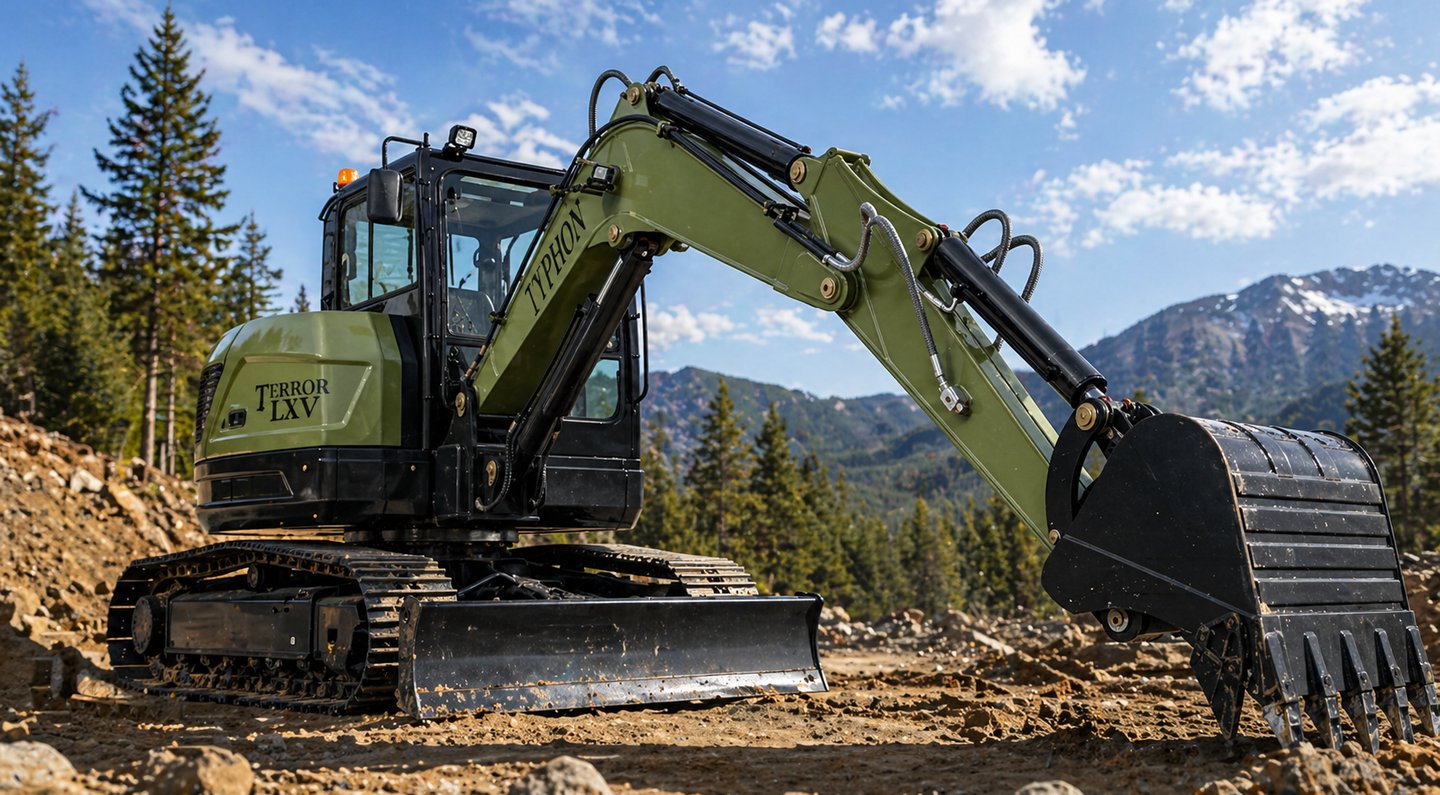
Investing in a compact excavator can change the way you manage jobsites, farms, or residential properties. These smaller digging machines offer a major advantage over larger equipment: they give you the ability to bring hydraulic power into tight spaces where a full-sized excavator would tear up the ground, strike power lines, or simply fail to fit through the gate.
But buying a mini excavator is a significant financial decision. It is easy to get distracted by shiny new cabs, complex digital screens, or brand names. If you buy a machine that is too light, you will struggle to lift heavy stone or dig through hard clay. If you buy one that is too heavy, you might find yourself stuck buying a new truck and trailer just to haul it to your jobsite.
To make a smart purchase, you need to understand how these machines are classified, where they hit their limits, and how to match their specifications to your actual day-to-day work.
Understand the Weight Classes: Finding Your Right Size
Mini excavators are generally grouped by their operating weight, which is measured in metric tons. The operating weight includes the machine itself, a full tank of fuel, an average-sized operator, and a standard bucket. Knowing which class fits your work is the first step in narrowing down your choices.
The Micro Class (Under 1-2 Tons)
These are highly specialized machines designed for maximum jobsite access. Many models in this class feature retractable tracks that can narrow down to less than 40 inches wide, allowing them to drive straight through standard backyard garden gates or pedestrian doors. They are popular with backyard landscapers, indoor demolition crews, and plumbing contractors who need to dig narrow utility trenches close to foundations. The trade-off is clear: they have limited digging depth and struggle with large rocks or heavy roots.
The Core Mini Class (3-4 Tons)
This is the most common size range for residential contractors and commercial landscapers. A 3-ton to 4-ton small excavator provides a balanced mix of power and portability. It offers enough hydraulic muscle to run attachments like augers and thumbs effectively, can comfortably dig down 10 to 11 feet, and can still be towed behind a heavy-duty pickup truck without requiring a commercial driver's license (CDL) in many regions.
The Heavy Compact Class (5-6+ Tons)
Often called midi excavators, these machines approach the boundaries of compact equipment. They offer deep digging depths, large buckets, and exceptional stability for lifting concrete pipes or large boulders. However, they lose the tight-space advantage. They feature wider footprints, require larger trailers, and often push your total towing weight into CDL territory. If you run a commercial earthmoving business, this class makes sense; for a property maintenance or residential landscaping operation, it might be overkill.
Tail Swing: Conventional vs. Zero Tail Swing
One of the most important design choices you will make when buying a mini excavator is deciding between a conventional housing design and a zero tail swing (ZTS) design.
Conventional Swing: [--- Counterweight Protrudes Past Tracks ---] -> Higher lifting capacity, wider workspace needed
Zero Tail Swing: [--- Counterweight Stays Within Tracks ---] -> Lower lifting capacity, works flush against walls
On a conventional machine, the rear counterweight extends past the rubber tracks when the upper cab rotates. This extra weight at the back acts as a natural lever, giving the machine a higher lifting capacity over the side and a more stable feel when digging at full reach. However, the operator must constantly monitor the rear of the machine to ensure they don’t swing the counterweight into a wall, a tree, or a coworker.
A zero tail swing machine is designed so that the rear housing rotates entirely within the width of the tracks. This allows you to park the machine directly next to a building, fence, or roadway barrier and spin the cab freely without worrying about hitting anything behind you. The downside is that to keep the machine stable without a protruding rear weight, manufacturers often have to widen the overall track footprint or use a heavier, more compact chassis, which can slightly reduce lift capacities over the side compared to a conventional model of the same weight.
Evaluating Hydraulic Performance and Flow
An excavator is only as good as its hydraulic system. When comparing different models, do not look only at engine horsepower. Instead, look closely at the auxiliary hydraulic flow rate, measured in gallons per minute (GPM), and the system pressure.
If you only plan to use your machine for basic digging with a standard bucket, standard hydraulic flow is perfectly fine. But if you plan to run powered landscaping equipment—such as a brush cutter, a flail mower, a hydraulic breaker, or an auger—you need to verify that the machine's auxiliary lines can deliver the exact GPM and pressure those attachments require.
Running a high-demand attachment on a machine with insufficient hydraulic flow will result in poor performance, tool stalling, and high heat levels that can degrade your hydraulic oil quickly. Look for machines that offer adjustable auxiliary flow controls in the cab if you plan to switch between different types of attachments frequently.
Transport and Jobsite Logistics: The Hidden Costs
A machine cannot make you money if you cannot get it to the jobsite safely. Before finalizing a purchase, look at your existing truck and trailer setup to see what load it can actually handle.
Check the Towing Vehicle: Look at your truck's gross vehicle weight rating (GVWR) and maximum towing capacity. Remember that you have to account for the weight of the excavator, the weight of the trailer itself, any extra buckets or attachments, and a full tank of fuel.
Evaluate Trailer Constraints: Ensure your trailer has proper tie-down points, heavy-duty ramps, and axles rated for the weight class you are buying.
Consider Ground Conditions: Most mini excavators come equipped with rubber tracks. These are ideal for working on established lawns, driveways, and sidewalks because they minimize ground disturbance. However, if you are working consistently in sharp, rocky quarry environments or jagged demolition sites, you might need to look into steel tracks, which add weight but offer much higher durability against cuts and tears.
What to Check When Inspecting a Used Machine
If you are buying a used mini excavator to save on upfront costs, you need to conduct a thorough physical inspection. A low price tag can quickly turn into a massive repair bill if the previous owner neglected basic maintenance.
Play in the Pins and Bushings
Extend the excavator arm completely and gently shake the bucket side to side. Look closely at the main pivot pins, the bucket linkage, and the boom swing joint. If you see significant slop or movement in these joints, the bushings are worn out. Replacing pins and bushings isn't impossible, but excessive play left unchecked can score the metal arms, leading to costly structural repairs.
The Slew Ring and Rotation
Sit in the cab, lift the bucket slightly off the ground, and rotate the cab slowly through a full 360-degree circle. Listen for any clicking, grinding, or popping noises coming from beneath the floor. The slew ring bearing handles the forces of rotation, and replacing a damaged slew ring requires separating the upper cab housing from the track frame, which is an incredibly labor-intensive shop repair.
Hydraulic Leaks and Pump Condition
Open the side panels and inspect the main hydraulic pump. Look for signs of wet, dark oil lines or crude weld repairs on the steel lines. Check the hydraulic cylinders on the boom and arm for deep scratches or leaks around the rubber seals. Pull the dipstick on the hydraulic tank; the oil should be clear and amber-colored. If it looks milky, water has contaminated the system. If it smells burnt or looks dark black, the machine has likely been run hot and overworked.
Key Maintenance Rules for Longevity
Once you purchase your machine, its lifespan depends heavily on your daily habits. Compact construction equipment operates in dirty, high-friction environments, making regular care essential.
The Golden Rule of Excavator Maintenance: Grease the machine daily. Every pivot point on the boom, arm, and bucket linkage requires a fresh film of grease to push out dirt and minimize metal-on-metal wear. Missing even a week of greasing can cause noticeable wear on high-stress joints.
Beyond greasing, operators should clean out the track undercarriage at the end of every single workday. Dried mud, clay, and rocks left inside the track frame will harden overnight, putting massive tension on the rubber tracks, accelerating wear on the idlers and sprockets, and reducing overall fuel efficiency when you start the machine the next morning.
Making Your Final Decision
When buying a mini excavator, the best machine is the one that fits your most common job type, not your rarest one. Avoid the temptation to buy an oversized machine just because you might dig a deep foundation once a year; it is often far more cost-effective to buy the smaller size that handles 90% of your daily landscaping or utility work and rent a larger excavator for those rare, heavy earthmoving projects. Focus on solid hydraulic specs, an operating weight you can easily transport, and a tail swing configuration that matches your typical jobsite boundaries.
NewExcavatorsfor Sale
High-quality, compact construction equipment and attachments, including mini
Support
TYPHON Machinery Offices
2522 S Malt Ave. Commerce, CA 90040 United States
Phone Support
Sales : +1 213-214-2203
Logistic : +1 626-389-2472
Sales : Sales@typhonmachinery.com
Logistic : Logistics@typhonmachinery.com
Tech Support : Support@typhonmachinery.com
newexcavatorsforsale © 2025. All rights reserved.