
Why Uneven Compaction Causes Premature Road Failure
Discover how uneven compaction problems lead to settlement, deep rutting, and devastating potholes. Learn to protect your infrastructure with uniform density.
5/23/20263 min read
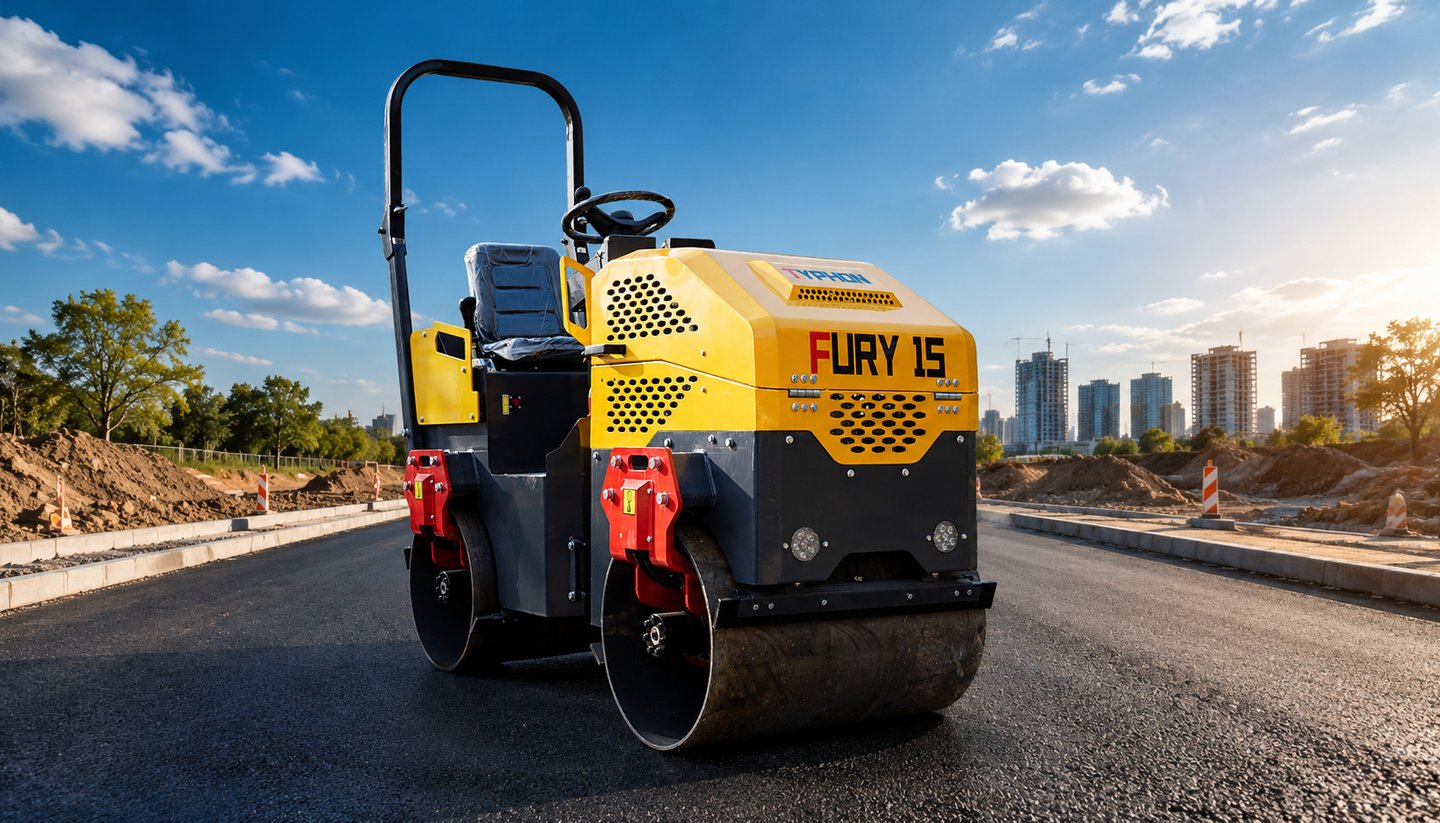

Building a reliable highway demands absolute precision from the moment the first layer of dirt is moved. When contractors invest millions of dollars into new transportation infrastructure, they expect the finished pavement to withstand decades of heavy commercial traffic. The true structural integrity of any road relies entirely on the unseen foundation hidden beneath the dark asphalt. When paving crews rush the preparation phase, they often leave behind dangerous inconsistencies that compromise the entire project. This comprehensive guide explores exactly how inconsistent material density destroys newly paved roads. We will examine how these hidden flaws lead directly to severe settlement, deep rutting, and catastrophic water damage. By understanding the severe consequences of poor rolling practices, you can protect your working capital and deliver the uncompromising quality your clients demand.
The Anatomy of Weak Spots and Settlement
Proper density requires a uniform application of heavy mechanical force across the entire width of the roadbed. When operators fail to maintain consistent overlapping passes with their heavy rollers, they inadvertently create isolated pockets of loose soil and uncompressed crushed stone. These microscopic voids represent massive structural liabilities. As the heavy asphalt is poured over these soft areas, the topcoat lacks the rigid support necessary to remain perfectly flat. Over a short period, the natural weight of the pavement combined with gravity forces the materials to compress unevenly. This differential settlement creates massive dips in the road surface, forcing the rigid asphalt to stretch beyond its physical limits and initiating the early stages of structural failure.
Traffic Stress and Severe Pavement Rutting
Commercial highways endure staggering amounts of kinetic stress from fully loaded freight trucks every single day. A highway built on a perfectly uniform subgrade disperses this massive downward pressure evenly across a wide area. However, when operators leave behind inconsistent density, the heavy commercial tires quickly expose every single hidden flaw. The constant pounding forces the pavement down into the uncompressed voids, resulting in dangerous wheel ruts. These deep depressions make driving highly hazardous and ruin the smooth riding experience your customers expect. Addressing uneven compaction problems early in the grading phase is the only reliable way to prevent heavy logistics from actively destroying your hard work. You must guarantee that every square foot of the foundation shares the exact same load-bearing capacity to resist this relentless traffic stress.
Water Intrusion and the Formation of Potholes
Once the pavement begins to rut and stretch over a settling foundation, the rigid asphalt inevitably snaps. These initial surface cracks might appear minor, but they act as open doors for the most destructive element in civil construction: water. Rain and melting snow seep quickly into the deep fissures, pooling directly inside the uncompressed base layers. During the cold winter months, this trapped water freezes and expands with violent force, tearing the pavement apart from the inside out. When the ice eventually melts, it leaves behind a massive cavity that quickly collapses under the weight of a passing vehicle. What began as a slight inconsistency during the rolling process rapidly evolves into a massive, dangerous pothole that requires emergency municipal repairs.
Protecting Your Financial and Professional Reputation
The financial impact of premature pavement failure extends far beyond the immediate cost of patching a few potholes. When a newly constructed road requires constant structural repairs just to remain passable, it severely damages the professional reputation of the original paving contractor. Municipalities and private developers refuse to award lucrative future contracts to firms that deliver failing infrastructure. Fixing localized failures often requires dispatching expensive milling machines to grind away the damaged asphalt, excavating the ruined base, and rebuilding the entire section from scratch. Doing the job correctly the first time requires only a fraction of the time and financial investment compared to these massive warranty repairs. We know that your clients trust you to deliver enduring value, and enforcing strict quality control during the compaction phase is the ultimate way to honor that trust.
Conclusion
Delivering flawless, long-lasting infrastructure requires an unwavering dedication to the strict science of material density. You cannot afford to let rushed preparation or poor equipment operation compromise the integrity of your commercial paving contracts. By demanding uniform density and eliminating weak foundational voids, you guarantee your pavements will survive for decades without requiring constant maintenance. We encourage you to evaluate your current rolling procedures and verify that your operators understand the severe consequences of inconsistent material compression. Invest strategically in premium compaction equipment and continuous workforce training to protect your bottom line. By prioritizing absolute structural perfection, you solidify your reputation as a premier civil construction authority and ensure your heavy civil projects stand the test of time.
NewExcavatorsfor Sale
High-quality, compact construction equipment and attachments, including mini
Support
TYPHON Machinery Offices
2522 S Malt Ave. Commerce, CA 90040 United States
Phone Support
Sales : +1 213-214-2203
Logistic : +1 626-389-2472
Sales : Sales@typhonmachinery.com
Logistic : Logistics@typhonmachinery.com
Tech Support : Support@typhonmachinery.com
newexcavatorsforsale © 2025. All rights reserved.